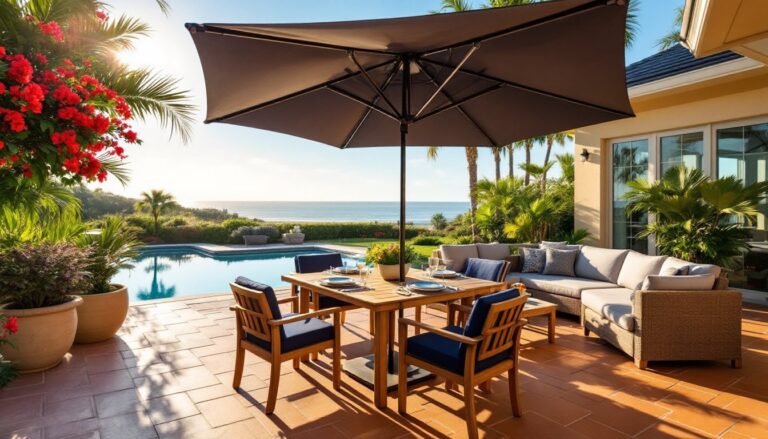
Commercial-grade patio furniture has quietly become a game-changer for homeowners tired of replacing flimsy outdoor sets every few years. Unlike residential pieces that might last one season under direct sun and moisture, commercial patio furniture is engineered to handle heavy use, harsh weather, and constant exposure. Whether you’re furnishing a sprawling backyard, a rental property, or a weekend entertaining space, understanding what separates durability from decoration matters. This guide walks you through the materials, selection process, and maintenance practices that keep commercial-quality outdoor spaces looking sharp for years.
Table of Contents
ToggleKey Takeaways
- Commercial patio furniture is engineered with heavier gauge metals, reinforced joints, and UV-stabilized fabrics to withstand heavy traffic and harsh weather far longer than residential alternatives.
- Premium materials like 6063-T5 aluminum alloy, solution-dyed acrylic fabrics (such as Sunbrella), and closed-cell foam cushions are industry standards that resist fading, corrosion, and mildew for 5–8+ years.
- Budget-conscious buyers can spread commercial furniture purchases across seasons, starting with seating and a table, then adding shade and accent pieces as budgets allow—typical six-person dining sets range from $1,500–$5,000+.
- Simple maintenance routines including monthly frame cleaning, seasonal cushion storage, twice-yearly fastener inspections, and strategic shade use can extend commercial patio furniture lifespan to 10+ years.
- Climate-specific selection matters: coastal properties need marine-grade stainless steel, arid regions require UV-resistant finishes, and humid climates demand mildew-resistant, fast-draining cushions.
Understanding Commercial-Grade Patio Furniture
Commercial-grade patio furniture is built to withstand heavy traffic, constant outdoor exposure, and minimal downtime for repairs. The difference comes down to construction standards, material thickness, and engineering specifications that far exceed typical residential pieces.
When manufacturers design for commercial use, hotels, restaurants, rental properties, they account for hundreds of guests per week, not just family gatherings. This means heavier gauge metals, reinforced joints, UV-stabilized fabrics, and finishes that resist fading and corrosion. Residential outdoor furniture often cuts corners on joint construction or uses thinner aluminum tubing: commercial pieces use thicker profiles and stainless steel fasteners.
You don’t necessarily need a restaurant patio to benefit from this durability. Homeowners managing high-traffic spaces, rental properties, or simply wanting furniture that lasts 10+ years instead of 3 often choose commercial-quality pieces. They cost more upfront but eliminate the cycle of replacing deteriorated cushions, rusted frames, or wobbling joints every couple of years.
Key Materials Used in Commercial Patio Furniture
Metal and Steel Options
Aluminum dominates commercial outdoor furniture because it resists corrosion without requiring constant painting, unlike steel. But, not all aluminum is equal. Commercial-grade pieces use 6063-T5 or 6061-T6 aluminum alloy, specifications that denote the metal composition and heat treatment. These alloys are harder and more fatigue-resistant than lower-grade aluminum. Look for anodized or powder-coated finishes: anodizing creates a protective oxide layer, while powder coating bonds a polyester resin that resists UV fading and chipping.
Steel works too, particularly for stationary pieces like benches or heavy tables. Powder-coated carbon steel or galvanized steel (hot-dipped zinc-coated) offers strength residential aluminum can’t match, but it requires regular inspection for rust at scratched or worn edges. Some commercial manufacturers blend materials, say, an aluminum frame with stainless steel fasteners and welded joints, to balance weight, cost, and longevity.
Weather-Resistant Fabrics and Cushions
Commercial cushions and fabrics differ markedly from residential upholstery. Solution-dyed acrylic (like Sunbrella) is the industry standard because pigment runs through the entire fiber, making it fade-resistant for 5–8 years even under constant UV exposure. The weave is tighter and denser than residential fabric, shedding water and resisting mildew.
Cushion fill also matters. Closed-cell foam (or latex-based) drains water and dries quickly, preventing rot and mold. Residential foam often absorbs moisture, becomes waterlogged, and degrades faster. Commercial cushions are typically wrapped in multiple fabric layers and stitched with UV-resistant thread. Options like Lila Outdoor Stacking Dining Armchairs showcase aluminum frames paired with premium solution-dyed cushioning designed for hospitality environments and residential installations alike.
Choosing the Right Furniture for Your Outdoor Space
Start by measuring your space and identifying how you’ll use it. Commercial furniture comes in modular pieces, dining sets, lounge groupings, bar-height tables, so understanding your layout prevents overspending or undershooting.
Consider traffic patterns and durability needs. A side patio used for morning coffee doesn’t need the same engineered toughness as a back deck hosting weekly gatherings or a pool area with constant foot traffic. For high-use spaces, prioritize stackable or nesting chairs (they survive movement and storage better) and tables with easy-clean tops, glass, sealed wood, or powder-coated metal over upholstered surfaces that collect dirt.
Climate matters too. Coastal properties benefit from marine-grade stainless steel and salt-resistant coatings. Arid climates favor UV-resistant materials: humid regions demand mildew-resistant fabrics and fast-draining cushions. If your space is shaded most of the day, standard acrylic may outlast solution-dyed fabrics because UV exposure is limited.
Budget constraints are real. Commercial-grade pieces run $1,500–$5,000+ for a six-person dining set depending on material, finish, and cushion quality. Spread purchases across seasons or phases, begin with seating and a table, add shade and accent pieces later. Resources like Better Homes & Gardens and Sunset offer design inspiration that aligns durability with aesthetics, helping you envision how quality outdoor furniture fits your space and entertaining style.
Maintenance and Longevity Tips
Commercial furniture lasts longer but isn’t maintenance-free. Establish a simple routine to maximize its lifespan.
Routine cleaning protects finishes and prevents dirt buildup. Wipe aluminum frames with a soft cloth and mild soap monthly: for stubborn grime, use a brush and diluted white vinegar. Cushions and fabric need vacuuming (to remove dust) and occasional spot-cleaning with mild detergent and water. Never use bleach on solution-dyed fabrics, it doesn’t discolor them but can weaken fibers over time.
Seasonal prep extends durability. Before winter storage, clean and dry everything thoroughly. Store cushions in breathable bags (not sealed plastic, which traps moisture). If leaving furniture outside year-round in freezing climates, ensure water drains from seat depressions and underneath cushions to prevent ice damage.
Inspect fasteners and joints twice yearly. Loosen bolts or corrosion at welded seams indicate wear: tighten or address these before damage spreads. Check cushion covers for tears or seam separation and repair small issues immediately, a $30 fabric patch beats a $300 replacement cushion.
UV exposure fades finishes and weakens fabrics over time, even commercial-grade ones. Using shade (umbrellas, pergolas, or awnings) dramatically extends color vibrancy and material life. Furniture under a patio cover or tree lasts visibly longer than pieces in direct sun.
Proper storage during off-season storage prevents premature aging. In areas with harsh winters, storing cushions indoors and covering frames with breathable tarps protects against freeze-thaw cycles and ice damage. A few minutes of end-of-season prep saves hundreds in premature replacement.
Conclusion
Commercial patio furniture delivers durability, style, and value for homeowners serious about their outdoor spaces. By choosing quality materials, matching pieces to your use case, and following straightforward maintenance practices, you’ll enjoy years of reliable entertaining without the constant upkeep of residential alternatives. Start with pieces that fit your immediate needs, invest in good cushioning and finishes, and watch your outdoor space become a genuinely functional extension of your home.