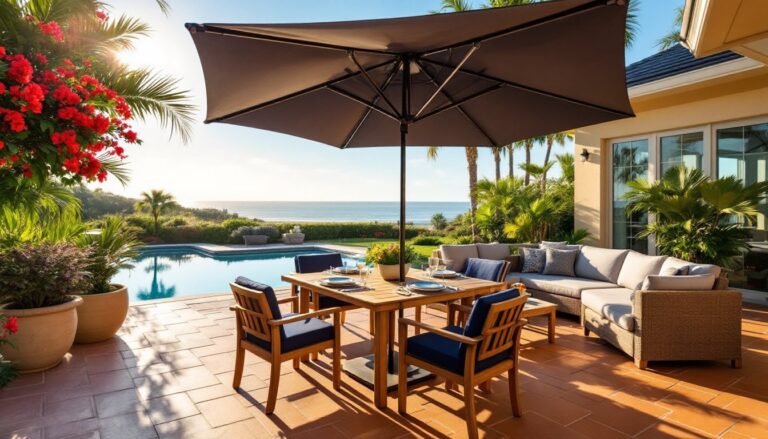
Florida’s tropical climate, with intense sun, salt air, high humidity, and afternoon storms, makes choosing the right patio furniture a practical necessity, not just a style decision. Standard outdoor pieces that work elsewhere warp, rust, or fade within a season under these conditions. The best patio furniture for Florida combines weather resistance with the durability to withstand years of harsh elements while keeping your outdoor space inviting. This guide walks you through the materials, fabrics, and styles that genuinely perform in the Sunshine State, so you can invest in pieces that look good and actually last.
Table of Contents
ToggleKey Takeaways
- The best patio furniture for Florida must be engineered for extreme UV exposure, high humidity (80%+), salt air, and frequent thunderstorms—standard outdoor furniture will warp, rust, or fade within a season in these conditions.
- Powder-coated aluminum frames are the top choice for Florida patios because they resist rust, don’t absorb moisture, and handle saltwater without degrading, while premium solution-dyed acrylic fabrics like Sunbrella hold their color for 5+ years.
- Teak and treated tropical hardwoods are durable wood options for Florida, with teak lasting 20+ years and requiring only light maintenance like rinsing salt spray and annual oiling to maintain appearance.
- High-density polyurethane or closed-cell foam cushion fills with drainage holes prevent water pooling and mildew, while lighter fabric colors and patterns better hide fading than dark solids in intense Florida sun.
- Regular fresh-water rinsing every 1–2 weeks, seasonal cushion storage, and annual teak oiling or powder-coat touch-ups significantly extend patio furniture lifespan in Florida’s harsh tropical climate.
Why Florida’s Climate Demands Specialized Patio Furniture
Florida presents a perfect storm of environmental stressors for outdoor furniture. UV rays hit hard year-round, with the sun more direct and intense than in northern climates. Humidity routinely tops 80%, creating conditions where untreated wood swells, metal oxidizes, and fabrics develop mildew and mold. Salt air, especially near coastal areas, accelerates corrosion on uncoated metals. Afternoon thunderstorms dump water fast, and without proper drainage, cushions stay damp and encourage rot.
Standard outdoor furniture designed for temperate zones simply wasn’t engineered for this. A teak dining set that works in California might last 15 years in Florida with regular maintenance. Untreated pine or softwood will splinter and gray within two seasons. Even “outdoor-grade” vinyl and polyester fabrics can fade to a ghostly pale color or develop sticky, chalky surfaces when exposed to constant UV without the right UV inhibitors.
The solution is selecting furniture specifically chosen for tropical and subtropical climates. This means understanding which frame materials resist rust and don’t absorb moisture, which wood species naturally weather salt air, and which fabric coatings hold color under relentless sun.
Weather-Resistant Materials That Thrive in Heat and Humidity
Aluminum and Steel Frames
Aluminum is the go-to frame material for Florida patio furniture, and for good reason. It’s lightweight, doesn’t rust (aluminum oxidizes, but the oxide layer is thin and protective, not like iron rust), and handles saltwater without degrading. Look for powder-coated aluminum, where a factory-applied resin coat seals the metal and prevents corrosion. Powder coating comes in dozens of colors and finishes, from matte black to bronze and weathered gray. The frame itself will outlast cushions by years.
Steel frames, typically wrought iron or tubular steel, offer a heavier, more traditional look but require vigilance in Florida. If the steel isn’t galvanized (hot-dipped in zinc) or powder-coated, it will rust within a year or two, especially near the coast. Check product specs carefully. Galvanized steel works fine: bare or painted steel does not. Steel is stronger than aluminum and looks more substantial, but the maintenance burden is higher.
Teak and Treated Wood Options
Teak is expensive but often worth it for Florida. This Southeast Asian hardwood is naturally oily, resists rot and insect damage, and handles humidity without swelling excessively. It weathers to a silvery-gray patina if left untreated, or you can oil it annually to maintain a honey-brown color. Teak’s tight grain means it won’t splinter like softer woods. A teak dining set from a reputable maker (expect $1,500 and up) can last 20+ years with light maintenance, just rinse salt spray off after coastal storms and let it dry.
Treated hardwoods like shorea or cumaru are less expensive alternatives. These tropical hardwoods are kiln-dried and sometimes chemically treated to resist rot and insects. They’re not quite as durable as teak, but they’re solid for 8–12 years. Avoid untreated softwoods like pine or cedar: these trap moisture and gray out fast in Florida humidity. Hardwoods do need sealing every 1–2 years if you want to maintain color: if you let them weather naturally, they gray but remain structurally sound.
Cushions and Fabric Choices for Florida Living
Cushion fabrics make or break patio furniture comfort and longevity. Cheap acrylic or polyester will fade, become sticky, and eventually crack. The best Florida-grade cushion fabrics include Sunbrella and similar solution-dyed acrylic blends, where the pigment is locked into the fiber itself, not just dyed on the surface. This resists fading far better than standard outdoor fabrics. Sunbrella cushions cost more upfront but hold color for 5+ years under Florida sun.
When shopping, look for UV inhibitors on the label. These additives slow color degradation. Fabrics labeled “fade-resistant for up to 500 hours” or similar have been tested: those with no fade rating are guesses. Marine-grade fabrics (Sunbrella, Outdura, Ballard Designs outdoor) are overkill for a pool patio but perfect for exposed decks.
Cushion fill matters too. Polyurethane foam soaks water and takes forever to dry in humidity: choose high-density polyurethane or closed-cell foam, which sheds water and dries faster. Some premium cushions use recycled plastic bottles (polyester batting) that drain even faster. Always use cushion covers with drain holes or mesh bottoms, this prevents water pooling under cushions, which breeds mildew.
Fabric color also affects durability. Lighter colors fade visibly on dark fabrics but are less noticeable on whites, creams, and light grays. Patterns hide fading better than solids. In Florida, plan to replace cushions every 4–5 years if you want them looking fresh, or let them weather and embrace the softer, faded look.
Top Patio Furniture Styles for Florida Homes
Dining sets often pair teak or treated hardwood frames with aluminum legs for durability and classic appeal. A 6-person teak table ($800–$2,000) with powder-coated aluminum-leg chairs ($200–$400 each) creates a versatile, long-lasting setup. Alternatively, cast-aluminum frames mimicking wood grain offer the look of wood with zero maintenance.
Lounge seating, sectionals, chaises, and deep-seat sofas, thrive with powder-coated aluminum or wrought-iron frames and Sunbrella cushions. These pieces invite relaxation and handle humidity well if cushion covers are removable and washable. Look for models with sloped seats that drain water, not flat platforms that pool it. Better Homes & Gardens and similar home magazines showcase Florida-appropriate lounge options regularly.
Bistro and café sets (small round tables with 2–4 chairs) are practical for Florida patios and decks. Aluminum or wrought-iron frames with tempered glass or slatted tops work well. These don’t trap water like solid wood tops and are easy to wipe down after salt spray or storms.
Adirondack and rocking chairs are iconic for Southern porches. If you go this route, choose high-quality treated wood or composite lumber, not cheap pine. Composite (wood fibers mixed with plastic) resists rot and never needs painting, though it’s heavier and less “traditional” feeling than wood.
Umbrellas and shade structures are as important as furniture itself. A cantilever umbrella ($200–$600) with a Sunbrella canopy provides targeted UV protection without needing a center pole. Aluminum or powder-coated steel frames handle wind: cheaper steel umbrellas rust and collapse. Shade sails and pergolas also work, but ensure they’re rated for Florida wind loads and properly anchored, building code matters here if you’re attaching to the house.
Maintenance Tips to Extend Your Patio Furniture Lifespan
Regular cleaning is the simplest step. Rinse furniture with fresh water every 1–2 weeks to remove salt spray and pollen buildup. After storms, hose down everything to prevent salt residue from crystallizing into crusty white deposits. A mild soap and soft brush handles stubborn grime: avoid harsh abrasives that scratch powder coating.
Cover when not in use, especially during hurricane season (June–November). High-quality furniture covers (not plastic tarps, which trap moisture) keep UV and salt spray off. Store cushions indoors in a climate-controlled space during the off-season if possible, or in sealed plastic bins on the patio.
Oil teak and hardwood annually if you want to maintain color. Sand lightly if weathering begins to splinter, then apply teak oil or exterior wood sealant. This adds 2–3 years to the wood’s visible lifespan and prevents gray patina (which is fine if you like it).
Inspect powder-coated frames for chips or scratches that expose bare metal. Use touch-up paint or clear sealant to prevent rust starting at the damaged spot. Check welds and joinery once a year: tighten bolts if they loosen from vibration or movement.
Wash cushion covers by hand or machine (gentle cycle) using mild detergent. Air-dry completely before putting them back on. If covers develop mildew spots, soak briefly in a dilute bleach solution (1 part bleach to 10 parts water), scrub, and rinse thoroughly. The Spruce and Southern Living both offer detailed seasonal patio care guides for warm climates.
For coastal properties, rinse more frequently and consider a clear protective spray on aluminum or steel frames every 6 months. Salt air accelerates corrosion even on powder-coated surfaces, especially in salt spray zones within 1–2 miles of the ocean.