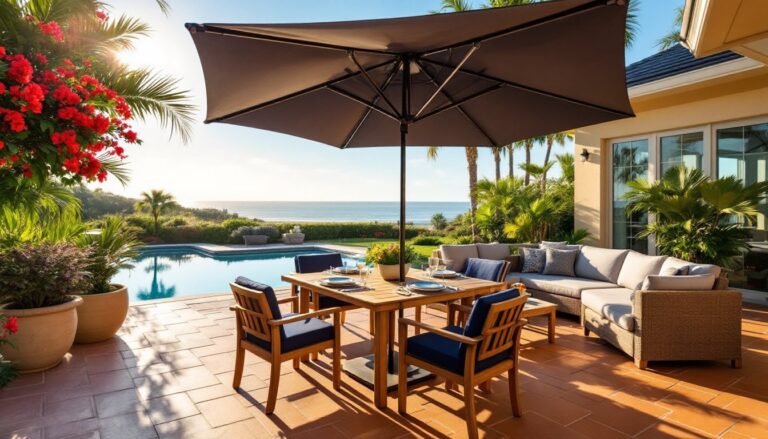
If you’ve ever watched a patio set fall apart after a couple of seasons, you know the frustration of cheap outdoor furniture. Marine grade patio furniture is built to withstand salt spray, UV damage, moisture, and temperature swings that would destroy standard pieces in months. Whether you’re furnishing a beachside deck, a coastal garden, or simply want outdoor seating that won’t require replacement in three years, understanding what “marine grade” actually means, and which materials truly deliver, makes all the difference. This guide breaks down the specs, materials, and practical choices you need to pick furniture that’ll still be standing strong a decade from now.
Table of Contents
ToggleKey Takeaways
- Marine grade patio furniture is engineered to withstand saltwater spray, UV damage, and extreme weather for 10–15+ years, compared to 5–7 years for standard outdoor pieces, making it a smarter long-term investment.
- 316 stainless steel and properly anodized marine-grade aluminum are the top frame materials for coastal environments, while teak and tropical hardwoods offer natural rot resistance and timeless aesthetics when sourced sustainably.
- Solution-dyed acrylic fabrics and powder-coated finishes are essential for marine grade durability, resisting fading and corrosion far better than standard paint or untreated textiles over 7–10+ years.
- Marine grade furniture requires minimal maintenance—occasional rinsing with fresh water and annual inspections—making it significantly less demanding than standard outdoor pieces that need constant touch-ups and resealing.
- Calculate long-term costs per year: a $2,000 marine grade set over 12 years ($167/year) is more economical than cheaper furniture replaced every 4 years ($200+/year), plus disposal hassle.
- Verify marine grade credentials by checking for ASTM test results, stainless steel fasteners, and detailed material specs; avoid vague claims like “weather-resistant” from brands unwilling to document performance standards.
What Makes Furniture Marine Grade?
Marine grade is a performance standard, not a marketing buzzword. It means the furniture can handle constant exposure to saltwater environments, think coastal homes, boat docks, and harsh oceanside conditions. The materials used must resist corrosion, UV degradation, and moisture infiltration far better than typical outdoor furniture.
Marine grade items are tested against saltwater spray, which is the most aggressive weathering scenario. ASTM standards (specifically ASTM B117, the salt-fog test) measure how materials perform when exposed to corrosive salt atmospheres. Products rated marine grade have typically undergone 500-plus hours of this testing without significant degradation.
The key difference from regular “outdoor” or “patio” furniture is durability under extreme conditions. A standard outdoor chair might last 5–7 years in a temperate climate. Marine grade furniture is engineered to last 10–15+ years even in salt-laden air, direct sun, and wet environments. That longevity comes at a cost, these pieces are more expensive upfront, but the investment pays off because you’re not replacing them constantly. The fasteners, finishes, and structural design all prioritize corrosion resistance and weather resilience.
Best Materials for Marine Grade Patio Furniture
Stainless Steel and Aluminum Alloys
316 stainless steel is the gold standard for coastal furniture frames. Unlike standard stainless steel (304 grade), 316 includes molybdenum, which makes it far more resistant to chloride corrosion, the culprit that causes pitting and rust in salt environments. If you’re near the ocean or in a high-humidity region, 316 is worth the premium.
Marine-grade aluminum alloys (typically 5000 and 6000 series) are lighter than stainless and won’t rust, though they can corrode if not properly anodized. A thick anodized coating (Type III anodizing, 1–2 mils thick) creates a protective barrier. Aluminum frames are cheaper than stainless and easier to move around your patio, but they don’t have quite the same corrosion resistance over 15+ years.
Fasteners matter as much as the frame. Use stainless steel bolts, screws, and brackets, never galvanized or plated hardware, which will corrode and stain the furniture. Many marine-grade pieces use riveted or welded construction to eliminate fastener failure points entirely.
Teak and Tropical Hardwoods
Teak is a tropical hardwood naturally rich in oils and silica, making it incredibly rot- and pest-resistant without chemical treatment. It weathers to a soft gray over time, which many homeowners love: if you prefer the original honey color, you’ll need to oil it annually with teak oil. Teak is expensive and sourced from sustainable forests (certified by the Forest Stewardship Council) is crucial.
Cumaru, cumaru, and other tropical hardwoods (Ipe, Bangkirai) are harder and denser than teak, with similar rot resistance. They’re slightly cheaper but also harder to work with and require more frequent maintenance. These woods can crack if not properly acclimated to your climate, let them sit outdoors for a few weeks before sealing if you live in a dry climate.
Wood combines beautifully with metal frames. A teak or hardwood slat seat on a 316 stainless steel base is a classic, durable combo. The wood handles the wear and comfort: the metal handles the structural load.
High-Performance Fabrics and Coatings
Solution-dyed acrylic fabrics (Sunbrella, Teflon-coated polyester) don’t absorb moisture or fade quickly, even under direct UV. They’re treated at the fiber level so the color won’t wash out, and they resist mildew and salt spray. Solution-dyed fabrics cost more than standard sunscreen fabric, but they’ll look good for 7–10 years instead of 2–3.
Polyester mesh slings, common on stacking chairs and loungers, dry faster than fabric, so they’re great in humid or rainy climates. They’re durable but offer less cushioning and comfort than padded slings or cushioned seats.
For finishes, powder coating is superior to paint or spray lacquer for marine environments. It’s baked onto the frame, creating a thick, continuous layer that won’t chip or peel like paint can. For metal furniture, specify powder-coated, not painted, finishes, the difference in longevity is dramatic. A quality powder-coat job on aluminum or steel will last 10+ years: regular paint is lucky to make it 3–5 years in a coastal climate.
Choosing the Right Marine Grade Furniture for Your Space
Start by measuring your space and defining how you’ll use it. A compact urban deck needs modular seating: a sprawling beachside patio can handle a full dining set plus loungers. Then prioritize durability needs versus aesthetics.
If you’re directly oceanside or in a salt-spray zone, go stainless steel or hardwood. If you’re 5+ miles inland but in a humid, wet climate, marine-grade aluminum or treated wood works fine and costs less. Budget 15–30% more for marine-grade furniture than comparable standard outdoor pieces, but remember you’re buying a 10+ year asset, not a 5-year purchase.
Check product documentation for ASTM test results and material specs. Reputable makers (brands like Mainstay, Recliner Pro, and specialty coastal retailers) will list fastener types and coating thicknesses. If they won’t, or if a piece only says “weather-resistant” without detail, it’s not truly marine grade.
For cushions and pillows, look for designer-approved outdoor fabrics that pair durability with visual appeal. Solution-dyed acrylics come in dozens of colors and patterns. Cushion cores should be high-density foam or outdoor-grade polyurethane that dries quickly and resists mildew. Mesh bottoms on cushions allow water drainage and prevent moisture trapping.
Climate Considerations and Durability Benefits
Climate determines which marine-grade features matter most. In hot, dry climates (Southwest), UV resistance and material brittleness are the main concerns: saltwater corrosion is less of an issue. In humid, rainy regions (Southeast), mildew resistance and quick-drying materials are critical. In coastal areas, assume salt spray, go 316 stainless, powder coat, and solution-dyed fabrics no matter the cost.
Marine-grade furniture typically requires less maintenance than standard outdoor pieces. Teak needs annual oiling: stainless needs occasional rinsing with fresh water if you’re truly oceanside: powder-coated aluminum needs just a quick wash with mild soap and water once a season. Compare that to painted metal furniture, which needs touch-ups constantly, or untreated wood, which requires regular sealing.
The durability advantage translates to real money saved over time. A $2,000 marine-grade dining set lasting 12 years costs roughly $167 per year. A $800 standard set needing replacement every 4 years costs $200 per year, plus the hassle and waste of disposal. Home improvement guides emphasize that quality outdoor investments reduce long-term costs and environmental impact.
One final note: even marine-grade furniture benefits from basic care. Store cushions during off-season in cold climates, rinse frames with fresh water a couple times a year if you’re near salt water, and inspect fasteners annually. That small effort adds years to the lifespan and keeps your investment looking sharp. Marine-grade is about engineering resilience, not zero maintenance, but the maintenance burden is light compared to standard outdoor furniture.