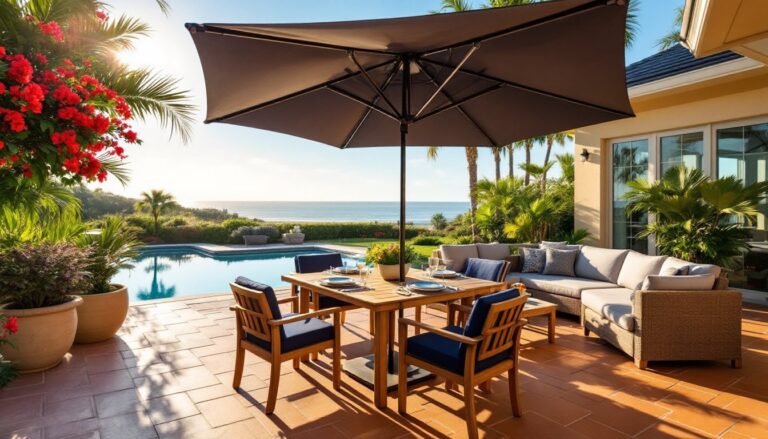
Mallin patio furniture has earned a solid reputation among homeowners who want durable, attractive outdoor seating without the luxury price tag. Whether you’re outfitting a small balcony or a sprawling backyard, Mallin’s wide range of collections combines practical construction with contemporary aesthetics. The brand focuses on materials and designs that hold up to weather, foot traffic, and time, essentials for any serious outdoor living space. This guide walks you through what makes Mallin stand out, how to pick the right collection for your needs, and how to keep your investment looking sharp for years to come.
Table of Contents
ToggleKey Takeaways
- Mallin patio furniture combines durable construction with contemporary design at mid-range prices, offering modular and sectional configurations that work for any outdoor space.
- Aluminum frames paired with weather-resistant fabrics and high-density polyethylene weaves make Mallin furniture resistant to fading, mildew, and corrosion.
- Proper measurement and layout planning using a scaled sketch prevents buyer’s remorse and ensures your patio furniture maximizes comfort and traffic flow.
- Weekly brushing and gentle warm-soap cleaning maintain Mallin patio furniture, while avoiding pressure washers and high-heat drying preserves materials and longevity.
- Store cushions separately indoors during off-season and cover outdoor pieces with breathable covers to prevent moisture damage and extend lifespan.
- Current 2026 color trends favor soft terracottas, dusty blues, and warm grays, making now a good time to select premium sunbrella fabrics for high-sun areas.
What Makes Mallin Patio Furniture Stand Out in the Market
Mallin positions itself between budget outdoor brands and high-end designer labels, offering thoughtful design and solid engineering at a mid-range price point. The furniture emphasizes clean lines and versatile color palettes, think neutral grays, blacks, whites, and warm earth tones, so pieces integrate easily into existing outdoor décor. Most Mallin collections share a focus on low maintenance and weather resistance, which matters in real-world backyards where seating faces sun, rain, and temperature swings.
One distinguishing factor is Mallin’s attention to proportion and comfort. Seat heights, arm widths, and back angles follow ergonomic standards rather than pure aesthetics, so you’re not sitting on a sculptural piece that looks great in a showroom but leaves your back aching after an hour. The brand also offers modular and sectional configurations, letting you scale collections up or down based on your patio’s footprint.
Key Design Features and Materials
Mallin’s core material strategy revolves around aluminum frames paired with weather-resistant fabrics or all-weather woven synthetic materials. Aluminum doesn’t rust, resists corrosion, and weighs less than steel, important if you ever need to rearrange or store pieces. Most Mallin cushions use solution-dyed acrylic or polyester, both of which resist fading better than natural fibers.
The weave construction on sling chairs and sectionals typically uses high-density polyethylene (HDPE) or vinyl mesh, materials that dry quickly and resist mildew. You’ll see Mallin use stainless-steel fasteners and hardware to prevent rust stains and degradation. Some upscale collections incorporate teak or sustainable wood accents on frames, adding warmth without sacrificing durability.
Designers working with Mallin keep hardware and joinery simple and accessible, not hidden under aggressive styling, so you can actually adjust, repair, or replace worn parts without special tools or manufacturer intervention.
Choosing the Right Mallin Collection for Your Space
Selecting a Mallin collection starts with honest inventory. Measure your patio or deck footprint (length and width in feet), note sun exposure throughout the day, and identify traffic patterns, where people walk, where kids play, and where you want to sit. Mallin collections range from intimate bistro sets (24–30 inches wide) to sprawling sectionals (10–16 feet end-to-end), so scale matters.
Consider how often you’ll actually sit outside. A lightly used reading corner needs different priorities than a family entertaining hub. Think about entertainment style too: do you host dinner parties (table-and-chairs collections), relaxation (deep-seat lounges), or a mix? Mallin makes both, and mixing styles within the brand tends to work visually because of consistent color and material language across the product range.
Popular Mallin Series and Styles
Sectional collections are Mallin’s flagship, modular corner or U-shaped groupings with interchangeable chaise lounges, ottomans, and accent tables. These work well for large families and entertaining. Dining sets come in fixed 4-top, 6-top, and 8-top configurations, usually with sling or cushioned chairs. Bistro or café sets (2–4 seats, smaller tables) suit balconies and tight corners. Lounge collections, low-profile, deep-seat designs, appeal to relaxation-first homeowners.
Color palettes shift seasonally: 2026 sees a push toward soft terracottas, dusty blues, and warm grays alongside classic charcoal and white. If you’re buying now, check for current-year inventory because older stock sometimes gets discontinued. Cushion covers often detach for washing, a practical feature that’s worth verifying before purchase. Many Mallin collections also offer sunbrella or solution-dyed cushion options, which cost more upfront but dramatically extend color retention in high-sun areas.
How to Measure and Plan Your Outdoor Layout
Before buying any Mallin furniture, lay out your space on paper or with chalk on the actual patio. Use a measuring tape and record dimensions in feet and inches. Include obstacles like door swings, planter boxes, and permanent fixtures (grills, pergolas, pool edges). A basic rule: leave 18–24 inches of walkway space between furniture and the patio edge so people don’t stub toes or trip over legs.
For sectionals, think about traffic flow. If a sectional faces a view or entertainment area, great: if it blocks the main path from house to yard, people will walk awkwardly around it. Dinner tables typically need 36–48 inches of clearance on each side so diners can pull chairs back and stand. A cramped table feels cramped, no matter how beautiful.
Start with a scaled sketch, 1 inch on paper equals 1 foot in reality. Cut out scaled shapes for each piece (sectional, chairs, table) and move them around on your sketch. This takes 15 minutes and saves buyer’s remorse. Also note sun path: morning light, afternoon shadow cast by the house or trees, and evening angles matter for comfort and durability. Intense west-facing sun will fade cushions faster, so light-colored or premium sunscreen fabrics are worth the investment in those spots.
Maintenance Tips to Keep Your Mallin Furniture Looking New
Mallin furniture doesn’t demand fussy upkeep, but a little routine care extends lifespan significantly. Brush off dust and debris weekly with a soft brush or dry cloth. For deeper cleaning, use warm soapy water (mild dish soap and a bucket) with a soft-bristled brush: rinse thoroughly and air-dry. Avoid pressure washers, which can damage weave and push water into aluminum joints. For stubborn stains, bird droppings, tree sap, leaf tannins, use a mild cleaner designed for outdoor fabrics or a solution of equal parts white vinegar and water.
Inspect cushions monthly for mold or mildew, especially in humid climates. If you see early signs, spray with a mildew inhibitor or wash the cover. Cushion covers usually zip off: machine-wash in cold water on a gentle cycle, then air-dry completely before reinstalling. Never machine-dry or use high heat, which degrades synthetic fibers.
Check fasteners (bolts, screws, frame joints) seasonally. Mallin uses stainless steel, but even stainless can loosen under use. A quick tighten with an Allen wrench or socket set keeps the frame solid and quiet (no creaking). If you see oxidation on aluminum, a white powdery coating, wipe it with a damp cloth: it’s cosmetic and not harmful, but it looks dusty.
Seasonal Care and Storage Best Practices
In winter or extended off-season, store Mallin furniture indoors if possible, a garage, shed, or basement keeps pieces out of freezing, thawing cycles that stress joints. If storage isn’t feasible, cover the furniture with a breathable furniture cover (not plastic, which traps moisture and causes mildew). Leave small gaps for air circulation: a sealed cover creates a greenhouse effect.
Before storing, clean and dry everything thoroughly. Store cushions separately in a cool, dry place: stuffing absorbs moisture and can develop odor. Stack pieces loosely if stacking: don’t force or compress frames. In spring, wipe frames and cushions with a dry cloth before setting up again, and check all fasteners before use.
In high-use seasons, a quarterly deep clean, soap, water, and soft brush, keeps pieces looking fresh. Reapply any protective coatings if Mallin recommends them for your specific material (some cushion fabrics benefit from an annual fabric guard application). This isn’t mandatory but extends color vibrancy in intense sun. Modern outdoor design trends from sources like Design Milk emphasize durable, low-maintenance pieces exactly like what Mallin offers, reflecting a broader shift toward functional outdoor rooms rather than temporary seating.