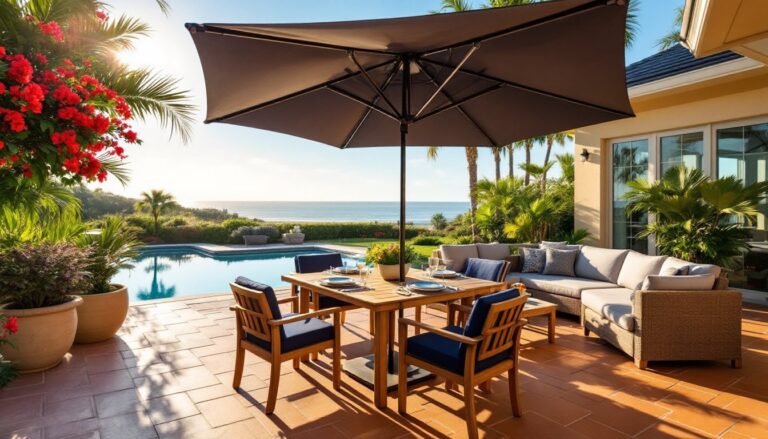
Outdoor wicker patio furniture strikes that rare balance between visual warmth and practical durability, which is why homeowners keep coming back to it year after year. Whether you’re furnishing a new patio or refreshing an existing one, wicker offers a timeless aesthetic that works with nearly any décor style, from coastal modern to farmhouse traditional. But not all wicker is created equal, and choosing the right pieces for your climate and maintaining them properly makes the difference between furniture that lasts a season and pieces that stand up to years of use. This guide walks you through what makes wicker such a reliable choice, how to tell different wicker types apart, and the maintenance routines that keep your investment looking fresh.
Table of Contents
ToggleKey Takeaways
- Outdoor wicker patio furniture combines durability and aesthetic appeal, with synthetic wicker over aluminum or steel frames offering superior weather resistance compared to natural materials.
- Synthetic wicker resists rot, UV fading, and moisture absorption, making it ideal for most climates, while natural wicker requires significant monthly maintenance and works best in covered, dry spaces.
- Proper maintenance—including quarterly cleaning, cushion storage during rain or winter, and seasonal frame inspections—extends wicker furniture lifespan by years and prevents mold and structural damage.
- Climate matters: humid and coastal environments require synthetic wicker with saltwater-resistant coatings and aluminum frames, while cold climates benefit from winter storage or breathable covers to prevent freeze-thaw damage.
- Cushions are the weakest link in outdoor wicker durability; remove them during heavy rain, store them indoors seasonally, and invest in performance fabric covers to prevent moisture and UV damage.
Why Wicker Remains a Top Choice for Outdoor Patios
Durability and Weather Resistance
Wicker has weathered (literally) centuries of outdoor use, and modern outdoor wicker is engineered to handle rain, sun, and temperature swings without falling apart. The weave itself creates a flexible structure that resists cracking, unlike solid wood, which splits as it expands and contracts with moisture changes. High-quality outdoor wicker is typically treated or made from materials that resist rot, UV fading, and moisture absorption, so it won’t develop the soft spots or mold you might find on untreated furniture left outside year-round.
That said, durability depends heavily on material choice and construction. Hand-woven pieces over a sturdy aluminum or steel frame hold up far better than lightweight import-grade furniture with particle-board cores. Frame materials matter just as much as the weave itself, look for rust-resistant aluminum or powder-coated steel rather than bare metal. Proper cushion care also extends furniture life: remove them during heavy rains or winter storage, and you’ll avoid moisture trapping that leads to mildew.
Aesthetic Appeal and Design Versatility
Wicker reads as both casual and refined, which is why it feels equally at home on a beach cottage deck or a sophisticated urban rooftop. The texture provides visual warmth that metal or plastic furniture can’t match, and it photographs well enough that your patio actually looks intentional rather than like you grabbed whatever was on sale. Contemporary wicker comes in neutral tones, grays, taupes, whites, charcoals, that pair seamlessly with modern décor, while traditional honey and tan finishes suit cottage and transitional styles.
Design flexibility extends to shapes and configurations too. You can find sectional sofas, lounge chairs, dining sets, and even daybed styles, all in wicker. Pair pieces with outdoor cushions in solid colors or patterns to customize the look without replacing the furniture itself. The weave texture works as a visual anchor that pulls a space together, especially in outdoor rooms where hard landscaping and plantings need a cohesive layer.
Types of Wicker Materials and What Sets Them Apart
Natural vs. Synthetic Wicker: Key Differences
Natural wicker, traditionally made from rattan or willow, brings genuine organic texture but demands serious maintenance commitment. Rattan is naturally moisture-prone and can splinter, crack, or harbor insects if not sealed and cared for regularly. It’s beautiful indoors or in covered outdoor spaces, but leaving natural wicker exposed to full sun and rain will degrade it within a few seasons. If you love the authentic look and don’t mind monthly upkeep (cleaning, sealing, inspecting for damage), natural wicker works, just expect a shorter lifespan.
Synthetic wicker, usually made from high-density polyethylene (HDPE) or polypropylene, solves most durability headaches. It won’t rot, splinter, or absorb moisture, and UV-resistant grades hold their color far longer than natural materials. The trade-off is tactile authenticity, high-end synthetic wicker mimics the hand-woven look convincingly, but budget pieces can feel plasticky. Quality synthetic wicker from established outdoor furniture makers looks and feels substantial: cheap imports often have visible mold or discoloration within a year.
For most homeowners, synthetic wicker over an aluminum frame is the practical choice. You get the aesthetic without the constant vigilance, and you’ll spend more time actually enjoying your patio instead of treating furniture. Modern synthetic wicker also resists saltwater environments, making it ideal for coastal properties where durable outdoor furniture enhances coastal living. Natural wicker has its place, but it’s a luxury item that requires a committed owner.
Choosing the Right Wicker for Your Climate
Climate is the single biggest factor in wicker selection. If you live somewhere with hot, dry summers and mild winters, synthetic wicker over aluminum will outlast and outperform natural wicker by years. The material simply doesn’t absorb the moisture swings that create mold, mildew, or structural weakness. High desert and arid climates are actually ideal for outdoor wicker because low humidity means less moisture stress.
Coastal and humid environments need synthetic wicker with saltwater-resistant coatings. Chlorine from pools and salt spray are both corrosive, so check product specifications to ensure the material and frame can handle exposure. Aluminum frames are essential here, steel will rust even though powder coating when exposed to salt air over time. In humid subtropical regions, air circulation matters: don’t tuck furniture into corners where moisture accumulates.
Colder climates present a different problem: freeze-thaw cycles can damage even synthetic wicker if water gets trapped in the weave and freezes. Storing furniture indoors during winter extends lifespan dramatically, or invest in furniture covers that breathe (vinyl traps moisture, while polypropylene or canvas covers allow air circulation). For year-round outdoor use in cold climates, choose furniture with tight, high-density weaving and ensure frames drain water instead of pooling it underneath.
Mid-Atlantic and transitional climates benefit from synthetic wicker with UV protection rated for 5+ years of direct sun without significant fading. Cushions are your weak link in any climate, sunlight and moisture degrade foam and fabric quickly, so rotate and store them seasonally. Quality outdoor cushion covers (performance fabric or solution-dyed polypropylene) outlast basic cotton or polyester covers by multiple seasons.
Essential Maintenance Tips to Extend Your Furniture’s Lifespan
Cleaning prevents buildup that traps moisture and breeds mold. Rinse synthetic wicker quarterly with a garden hose to remove dust and pollen, paying attention to crevices where debris collects. For stubborn dirt, mix mild dish soap with water and scrub with a soft-bristle brush: avoid pressure washers, which can force water into frame joints and damage the weave over time. Natural wicker needs the same approach but more frequently, monthly gentle cleaning keeps mold and insect issues at bay.
Cushion management is critical. Remove and store cushions indoors during heavy rain, winter, or extended absences. Moisture trapped between cushion and frame is the fastest route to mold and frame rot. If cushions must stay on the furniture, use covers that breathe or flip them regularly so air reaches the underside. Hose cushions down separately and allow them to dry completely before returning them to furniture.
Frame inspection catches problems early. Check aluminum or steel frames seasonally for rust, corrosion, or loose connections. Rust spots on powder-coated steel signal that the coating has worn through, touch up with spray paint designed for metal furniture to prevent spreading. Loose bolts and connections should be tightened with an adjustable wrench or the appropriate socket size to prevent wobbling and stress fractures. Synthetic wicker itself rarely needs repair unless chunks are missing: small cracks in the weave won’t spread like they do in natural materials.
Seasonal storage is optional but extends life significantly. In cold climates, moving furniture indoors for winter eliminates freeze-thaw stress. In mild climates, storing furniture under a breathable cover during the off-season (or during extended rain periods) protects against UV fading and moisture accumulation. Store in a dry location and ensure covers allow air circulation. Don’t leave cushions inside stored furniture, condensation builds up and promotes mold growth. Modern design approaches to outdoor living emphasize built-in covers and storage solutions that make seasonal care easier.