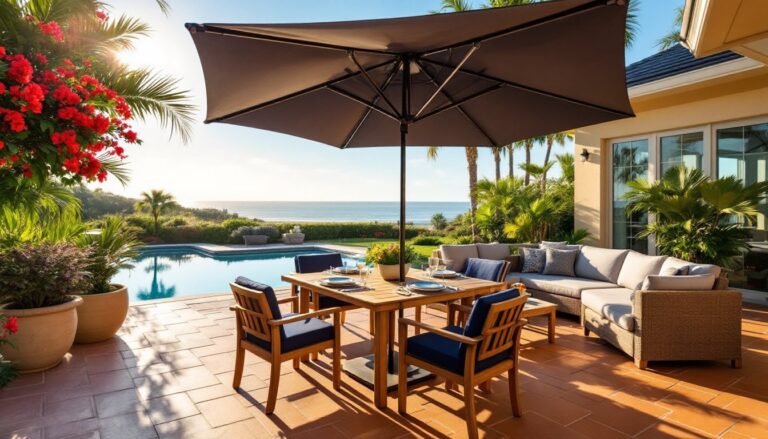
Outdoor pillows are the difference between a bare patio and an inviting outdoor room where people actually want to spend time. They add comfort, warmth, and personality to furniture that might otherwise feel cold or incomplete. Whether you’re lounging solo with a book or hosting a dinner party, the right pillows make your seating feel like a genuine retreat. But choosing outdoor pillows isn’t just about picking your favorite color, it’s about understanding durability, materials, and how to care for them so they last multiple seasons. This guide walks you through everything a homeowner needs to know to select, style, and maintain outdoor pillows that enhance both comfort and curb appeal.
Table of Contents
ToggleKey Takeaways
- Outdoor pillows transform a bare patio into an inviting space by adding comfort, visual interest, and personality while protecting furniture from wear and tear.
- Choose weather-resistant materials like solution-dyed acrylic (Sunbrella) or olefin fabric combined with high-density foam fill to ensure outdoor pillows withstand UV exposure, moisture, and temperature swings.
- Lumbar pillows provide essential back support for extended lounging and dining, while accent pillows offer flexibility for seasonal design changes and trend updates.
- Remove pillow covers and dry them promptly after heavy rain or soaking, store pillows indoors during off-season to prevent mildew, and brush away surface dirt monthly to extend lifespan to 3–5 years.
- Use a limited color palette of 3–5 colors and mix pattern scales strategically to create a cohesive outdoor pillow look that ties together mismatched seating and evolves seasonally.
Why Outdoor Pillows Matter for Your Patio
A well-furnished patio without pillows feels incomplete. Hard furniture surfaces, wood, metal, or wicker, provide seating, but they don’t provide comfort or an invitation to stay awhile. Pillows soften that experience. They add layering, visual interest, and actual cushioning that turns a functional space into a place people gravitate toward.
Beyond comfort, outdoor pillows anchor your design scheme. They’re an affordable way to refresh your patio’s look each season without replacing furniture. A color swap can transform your space from spring pastels to summer brights or fall earth tones. They also help tie together mismatched seating, a metal bistro chair, wooden Adirondack, and rattan sectional can feel cohesive with coordinated pillow fabrics.
There’s also a practical durability angle. Pillows protect your furniture. Cushioning reduces wear on frame joints and fabric, and removable pillow covers are far cheaper to replace than reupholstering a whole chair.
Types of Outdoor Pillows and Their Best Uses
Lumbar and Back Support Pillows
Lumbar pillows are designed to support the lower back and maintain proper posture during extended sitting. They’re smaller and more structured than full-sized cushions, typically 12 inches wide by 20 inches tall, and work especially well on lounge chairs, sectionals, and dining chairs where you’ll sit for a while. If someone will spend an afternoon reading or you’re hosting a long dinner, lumbar support makes a difference in comfort and prevents back fatigue.
Look for lumbar pillows with a firmer fill, shredded memory foam or high-density polyfoam holds its shape better than soft down alternatives, especially outdoors where pillows get compressed regularly.
Decorative Accent Pillows
Accent pillows are your design workhorses. They typically range from 16 by 16 inches to 20 by 20 inches and sit on the back or sides of chairs and sofas. They’re softer and less structured than lumbar support, designed to layer the look and add color or pattern without requiring long-term back support.
Accent pillows let you play with trends and seasonal changes without commitment. Swap out a neutral solid for a geometric print in summer, then rotate in warm plaids come fall. They’re also easier to store off-season since you can remove them entirely, whereas lumbar supports often stay put as part of the furniture’s permanent function.
Materials and Durability: Choosing Weather-Resistant Options
The fabric and fill are everything when it comes to outdoor pillow longevity. UV exposure, moisture, dirt, and temperature swings will break down poor materials in a single season.
Outdoor fabric must be solution-dyed or treated to resist fading and moisture. Look for performance fabrics like Sunbrella, which is woven from acrylic solution-dyed fibers, the color goes through the entire yarn, not just the surface, so it won’t fade even in direct sun. Olefin is another common outdoor choice, often cheaper than acrylic and nearly as durable, though it can feel a bit plasticky. Avoid indoor fabrics or untreated natural fibers like cotton canvas, which will mildew and fade quickly.
For fill, high-density foam or shredded foam performs better outdoors than down or down-alternative blends. Foam resists moisture absorption, dries quickly if it gets rained on, and maintains shape through repeated use. Down soaks up water and takes forever to dry, creating mildew risk. Some manufacturers use a hybrid approach, a down-like soft exterior for feel and comfort, with foam core for durability.
Check that pillow covers are removable and machine-washable. A removable cover means you can spot-clean or launder without replacing the entire pillow, and you can take off covers for storage. Zipper closures work better than just-tied corners, they’re more secure and hold up longer.
Invest in moisture-resistant pillow inserts if you’re buying just the covers. The insert is where mildew actually starts, so a moisture-wicking fill prevents problems before they happen. Most quality outdoor pillows come with appropriate inserts, but if you’re mixing components, verify compatibility.
Design and Color Selection for Your Space
Your pillow color and pattern should reflect both your personal taste and your patio’s natural backdrop. Start by looking at what’s already there: furniture frame color, deck or patio surface, landscaping, and any permanent structures like pergolas or umbrellas.
Neutrals like taupe, charcoal, and cream work with almost any style and hide dirt better than lighter colors, a practical win in a high-traffic outdoor space. They also feel timeless, so you won’t tire of them quickly. But don’t feel obligated to play it safe. A pop of color through pillows can energize the whole space. Sources like Gardenista feature inspiring color combinations for outdoor living that balance bold statements with visual rest.
Pattern mixing is where pillows shine. Pair a solid-colored chair with a striped pillow, or layer a geometric pattern with a botanical print. Stick to a limited color palette, three to five colors maximum, so the space feels intentional rather than chaotic. Mixing scales matters too: a large-scale pattern pairs well with a smaller geometric or solid.
Consider seasonal rotation. Spring might call for soft blues and greens, while summer welcomes brights and jewel tones. Fall brings rust, gold, and deep oranges. If you’re making a bigger investment, choose core colors you’ll keep year-round and add seasonal accent pieces that swap in and out. Designers at Sunset often highlight how thoughtful color layering creates outdoor spaces that feel current and cohesive without constant overhauls.
Think about glare and brightness too. If your patio gets intense afternoon sun, very light colors can feel washed out. Midtone and darker colors maintain richness in bright light.
Maintenance and Care Tips
Regular maintenance extends pillow life dramatically. Brush off surface dirt and dust monthly with a soft brush or gentle vacuum using an upholstery attachment. Don’t let debris accumulate in seams and crevices, that’s where moisture and mildew begin.
For spot cleaning, use a mild soap-and-water solution (a few drops of dish soap in lukewarm water) and a soft cloth. Dab the stain: don’t scrub aggressively, which can damage the weave or push dirt deeper. Rinse with a damp cloth and let air dry completely. For removable covers, follow the manufacturer’s washing instructions, most machine-wash on gentle cycle in cold water and line-dry, not machine-dry.
Water is the enemy of longevity. If pillows get soaked in heavy rain, remove them and stand covers upright to dry, or lay them flat in the sun. Don’t leave them damp or rolled up, or mildew will start within days. This is why removable covers are worth the investment, you can take them off and dry them separately from the insert.
Store pillows indoors during off-season or when extended rain is forecast. A storage bin in a garage, basement, or closet keeps them safe from moisture and UV damage. Some people keep pillows on their patio year-round under a cover or in a storage bench, but that requires excellent drainage and good air circulation.
Inspect seams and zippers yearly. If a seam is splitting or a zipper’s sticking, address it early, a loose seam lets moisture in, and moisture cascades into mildew and structural failure. Minor zipper sticking can be helped with a graphite pencil rubbed along the slider, but if damage is real, it’s cheaper to buy new pillows than attempt repair. Resources like Country Living offer practical guidance on seasonal home and outdoor maintenance that includes pillow care in the broader context of patio upkeep.
Realistic lifespan: well-maintained outdoor pillows last three to five years before the fabric fades noticeably or the fill starts clumping. That’s reasonable wear for an outdoor textile exposed to the elements. Higher-end pillows with premium fabrics may push six years.
Final Thoughts: Invest in Comfort and Style
Outdoor pillows are one of the smartest small investments a homeowner can make. They’re affordable compared to new furniture, instantly improve comfort, and transform a basic patio into a space where people want to gather. Choose weather-resistant materials, maintain them through the seasons, and don’t be afraid to refresh colors and patterns as your style evolves. Your patio will thank you.