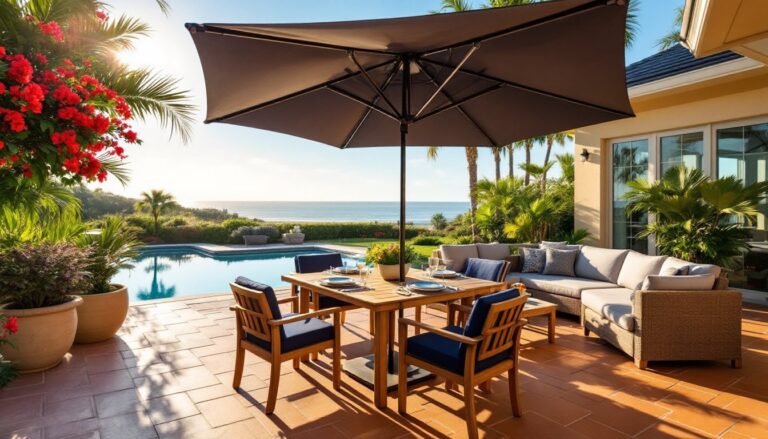
Black patio furniture has become a go-to choice for homeowners wanting a sleek, sophisticated outdoor space that works with almost any design aesthetic. Whether you’re furnishing a modest balcony or a sprawling entertainment area, black pieces offer clean lines, visual weight, and a modern edge that other colors can’t quite match. The challenge isn’t finding black patio furniture, it’s choosing the right materials, sizing pieces correctly, and keeping them looking sharp year-round. This guide walks you through selecting, arranging, and maintaining black outdoor furniture so your patio stays both stunning and functional.
Table of Contents
ToggleKey Takeaways
- Black patio furniture offers a versatile, sophisticated aesthetic that pairs seamlessly with any design style while providing visual grounding and depth to small and large spaces alike.
- Aluminum frames are ideal for coastal and damp climates due to corrosion resistance, while synthetic wicker with UV-rated, sealed-seam construction delivers the look of natural materials without rot or moisture damage.
- Proper layout planning—measuring usable space, accounting for foot traffic, and orienting furniture toward gathering areas—ensures your black patio furniture feels comfortable rather than cramped.
- Regular cleaning every 2–3 months with a soft brush and low-pressure water spray, combined with prompt touch-ups on powder-coated finishes, extends the lifespan of black outdoor furniture by years.
- Black outdoor fabrics fade faster than lighter colors, so investing in UV-treated cushion covers and storing cushions indoors during winter prevents mildew and color loss.
- Heat absorption is a practical consideration for black furniture in sunny southern climates; choose reflective cushion fabrics or position pieces in shaded areas to enhance comfort.
Why Black Patio Furniture Works for Modern Outdoor Spaces
Black is the neutralizer of the outdoor furniture world. It pairs seamlessly with stone, wood decking, colorful planters, and ambient lighting, making it easier to design a cohesive patio without overthinking color theory. A black seating area can be the anchor that ties together different materials and architectural styles.
From a practical standpoint, black absorbs heat, so metal frames and cushions may get hot in full sun. This isn’t a dealbreaker, just something to account for when positioning furniture or choosing cushion materials. Matte black finishes hide dust and salt spray better than glossy surfaces, making maintenance lighter in coastal or arid climates where grime shows fast. Glossy or powder-coated black shows fingerprints and oxidation more readily but offers a sharper visual punch.
Black also creates visual depth. In small patios, black furniture can feel grounding without overwhelming the space, whereas light-colored pieces sometimes look skimpy or exposed. For larger areas, black provides a visual anchor that prevents the space from feeling scattered. The versatility means you can go minimal modern, industrial, Mediterranean, or transitional, all in black.
Popular Black Patio Furniture Styles and Materials
Metal and Wrought Iron Options
Steel and aluminum frames dominate the market and for good reason. Aluminum is lightweight, corrosion-resistant, and won’t rust, ideal if you live near saltwater or in damp climates. A powder-coated finish (applied electrostatically for durability) typically lasts 5-10 years before touch-ups are needed. Steel is heavier and stronger but requires more maintenance: untreated steel will rust. Look for galvanized or hot-dipped finishes if you choose steel.
Wrought iron is the traditional choice and still popular in Mediterranean and transitional designs. It’s heavy (requires solid footings on softer decks), prone to rust if the finish chips, and demands regular inspection. If you choose wrought iron, budget for annual paint touch-ups, especially in humid or coastal regions. Modern “wrought iron” is often fabricated steel painted to mimic the look at a fraction of the weight and maintenance burden.
Cast aluminum mimics ornate wrought iron designs but won’t corrode and weighs roughly half as much. This is the practical middle ground if you want decorative detail without the rust headache. Prices run higher than simple steel frames, typically $200–$500 per chair depending on detail level.
Wicker and Rattan Designs
Synthetic wicker (polyethylene or polypropylene strands woven over metal frames) has become the dominant choice for outdoor use. It doesn’t absorb moisture, won’t rot, and handles UV exposure far better than natural rattan. A black synthetic wicker chair or loveseat reads as organic and soft while delivering decades of durability if the aluminum or steel frame beneath is sound.
Natural rattan and wicker require much more care outdoors, they’re really only suitable if your patio is covered and sheltered from rain. If exposed to weather, natural materials degrade quickly: wet rattan swells and can trap moisture, eventually weakening the weave.
Look for UV-rated synthetic wicker with sealed seams and closed-weave construction. Brands often rate their wicker by how many hours of direct sun it can handle annually (typically 1,000–2,000 hours). Black synthetic wicker shows dust and pollen, so you’ll wash it more frequently than brown or gray tones. A low-pressure spray from a garden hose every 2–3 months keeps black wicker looking sharp.
Selecting the Right Black Furniture for Your Patio Layout
Start with a rough sketch of your patio (or use your phone to snap an overhead photo). Mark permanent features, the door, railing, grill, or planter boxes. Measure the usable space in feet, accounting for walking paths. A standard patio seating group (sofa, two chairs, and a coffee table) typically needs a rectangle about 10 feet by 12 feet to feel comfortable. Cramming pieces too tightly makes the space feel cluttered and makes movement difficult.
Consider your patio’s exposure. A south-facing deck in Arizona will roast black furniture: you’ll want cushions that reflect heat (lighter fabric, thicker padding) or plan to move pieces into shade during peak afternoon hours. A north-facing urban balcony might get minimal direct sun, so heat absorption is a non-issue. Southern home design often features shaded porches and covered areas that black furniture works especially well in, letting you embrace bold colors in neighboring elements.
Think about the view people have standing at the patio door. A black sectional facing into the yard creates privacy and a buffer zone from street noise. The same piece facing the house reads as closed-off. Rotate furniture to face gathering areas (where conversation happens) rather than traffic patterns.
Height and scale matter too. If you’re working with a small patio, opt for chairs with open leg frames (you see floor beneath) rather than skirted sofas. Open frames make spaces feel larger. Oversized deep-seat sectionals are cozy but dominate small areas. Slatted or mesh chairs lighten the visual weight of black without sacrificing durability.
Maintenance and Care Tips for Long-Lasting Black Outdoor Furniture
Regular cleaning extends the life of black patio furniture by years. Dust and salt spray (even inland, road salt travels) bind to black surfaces and, if left, trap moisture and accelerate degradation. Rinse pieces with a soft brush and low-pressure water spray every 2–3 months. For stubborn grime, a 50/50 mix of white vinegar and water cuts through salt deposits and algae without damaging finishes.
Powder-coated metal: Inspect for chips or scratches where bare metal shows. Sand the spot lightly, wipe clean, and touch up with a spray can of matching powder-coat or metal paint ($10–$15). Leave it 48 hours before moving the piece. If rust has begun, use a wire brush to remove loose corrosion, apply rust converter (a chemical that stabilizes remaining rust), then paint over it. This approach is far cheaper than replacing a frame.
Wrought iron or steel: Annual inspection is non-negotiable. Look for rust bloom (a surface discoloration that precedes actual pitting). If you catch it early, a wire-brush wheel on a power drill removes it quickly. Paint over the bare spot immediately. A full repaint every 3–5 years ($30–$60 in materials) keeps wrought iron looking sharp and protected.
Synthetic wicker: Wash with mild dish soap and water. Avoid pressure washers above 1,500 PSI, the high-pressure stream can tear weave strands. If weave strands separate or fray, trim them with scissors rather than pulling: pulling loosens the entire weave. Comprehensive outdoor cleaning guides provide detailed steps for different material types.
Cushions and fabrics: Black outdoor fabrics fade faster than lighter colors under UV exposure. UV-treated fabrics (often labeled “Sunbrella” or “solution-dyed acrylic”) hold color significantly better. Wash removable cushion covers in cool water with mild detergent. Store cushions in a waterproof bag over winter or in an off-season. This single step adds years to cushion life and prevents mildew.
Storage: If your region experiences harsh winters, consider bringing lightweight aluminum pieces indoors. Wrought iron and heavy steel can stay outside (they won’t corrode faster due to cold), but cushions and fabrics must come off. A tarp draped loosely over wood or wicker furniture prevents debris accumulation: avoid sealing it completely, as trapped moisture accelerates rot. Outdoor furniture covers ($30–$100) are convenient but aren’t a substitute for removing cushions or sealing rust-prone materials.
Conclusion
Black patio furniture delivers visual sophistication with practical durability when you choose the right materials for your climate and commit to basic maintenance. Whether you prefer the clean geometry of metal frames or the textured warmth of synthetic wicker, routine cleaning and prompt repairs keep pieces looking sharp for a decade or more. Start with your space’s dimensions and sun exposure, then select pieces that fit both your layout and your willingness to maintain them. Outdoor entertaining design trends show that black continues to anchor stylish patios because it simply works, and with this guide in hand, you can make it work for your home too.