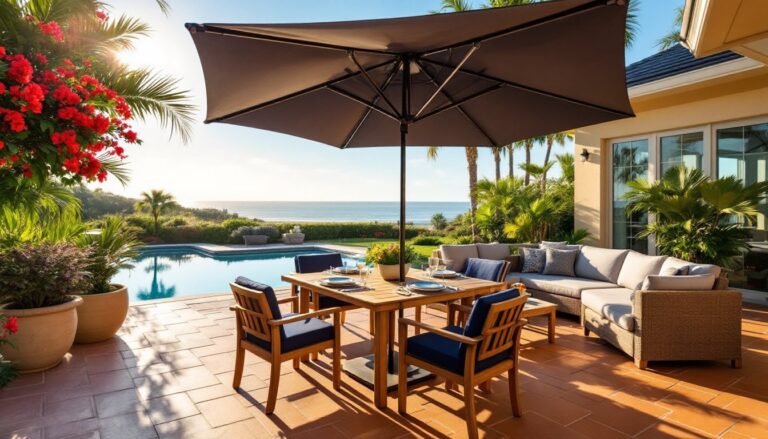
Picking the right patio furniture isn’t just about finding chairs that look good, it’s about creating an outdoor space that actually works for how you live. Whether you’re furnishing a small balcony or a sprawling backyard, the wrong choice can leave you replacing pieces in a couple of years, wasting money and time. The best patio furniture balances durability, comfort, style, and your budget, while standing up to whatever weather your climate throws at it. This guide walks you through the key decisions you need to make so you end up with pieces you’ll actually enjoy sitting on for years to come.
Table of Contents
ToggleKey Takeaways
- Measure your space and climate conditions before selecting best choice patio furniture, as regional weather, sun exposure, and dimensions determine which materials will thrive and last.
- Teak offers the longest durability (20+ years), while aluminum provides lightweight affordability, and each material has distinct tradeoffs in maintenance, weight, and upfront cost.
- Invest based on your timeline and usage: renters should spend under $1,000, while long-term homeowners benefit from $2,000–$4,000 quality pieces that cost less per year of use.
- Test comfort in person—look for 14–16 inch seat depth and 8–10 inch armrest height—since a beautiful piece you don’t enjoy sitting on is just an expensive decoration.
- Mix materials and styles (teak with metal chairs, wicker with modern frames) rather than matching sets for visual interest, functionality, and flexibility in smaller spaces.
- Factor in replacement costs for cushions (every 3–5 years) and use covers during off-season storage to prevent UV damage, mold, and premature wear.
Assess Your Space and Climate
Before you start shopping, measure your patio and understand the conditions it faces. A 10-by-12-foot deck needs different furniture than a 20-by-20-foot space, and a shaded corner behaves nothing like an open, sun-baked area. Take note of where the furniture will sit, do you get harsh afternoon sun? Is it exposed to wind? Does rain get blown onto part of your patio?
Your regional climate shapes every material choice you’ll make. If you’re in the Pacific Northwest, you’re dealing with constant moisture and shade. The Southeast means heat, humidity, and seasonal storms. Desert climates bring intense UV exposure and temperature swings. A piece that thrives in one region might fail in another. Even within a region, a patio on the north side of your house faces completely different weathering than one facing south.
Measure doorway widths and pathways too. A beautiful sectional means nothing if you can’t get it onto your patio without cutting off an arm.
Evaluate Material Durability and Weather Resistance
Patio furniture materials come with real tradeoffs, and understanding them upfront saves regret later.
Teak and hardwoods are naturally rot-resistant and improve with age, developing a silvery patina. They’re beautiful and durable, a well-maintained teak set can last 20+ years. The downside: they cost significantly more upfront and require occasional maintenance (oil or sanding) to keep that finish. They’re also heavy and not ideal if you’re moving pieces around frequently.
Aluminum frames are lightweight, rust-proof, and affordable. They work well for smaller spaces or casual setups where you’ll rearrange furniture seasonally. Pair them with weather-resistant fabrics like Sunbrella (a solution many manufacturers use) to extend durability. The material itself won’t rot, but the frame can feel less substantial than wood.
Steel with powder coating is sturdy and can handle real weight. The powder coating resists corrosion if the coating isn’t scratched. Once it chips, rust can start spreading. It’s heavier than aluminum, which makes it stable in wind but less convenient to move.
Wicker and rattan (real or synthetic) look inviting and work well for covered spaces. Real wicker needs shelter from rain and sun: synthetic wicker (resin-based) handles weather better but can fade and crack over years of UV exposure. Both need occasional cleaning to prevent mold.
Plastic (polycarbonate or PVC) resists moisture and is incredibly cheap. It’ll outlast rot but can become brittle and discolor under UV. It’s fine for temporary setups, but it doesn’t compete with other materials for long-term appeal.
The honest answer: there’s no single best material. Teak lasts longest. Aluminum is most practical. Wicker looks best in the right setting. Match the material to your climate, maintenance tolerance, and budget.
Balance Style, Comfort, and Functionality
Patio furniture serves double duty, it needs to work visually with your home’s exterior and feel good to actually sit on. That matters because a stunning chair you don’t want to sit in is just an expensive decoration.
Test pieces in person before buying if possible. Sit down. Check the cushion depth and back angle. Can you relax, or are you perched at attention? A 14-16 inch seat depth usually feels comfortable for most body types: anything shallower can feel cramped. Armrests should sit about 8-10 inches above the seat for comfortable support.
Consider what you actually do on your patio. If you’re mostly lounging and reading, go deep and cushioned. If you’re hosting dinners, prioritize a solid dining table with enough clearance for place settings and reaching food. A combination of lounge chairs and a bistro table works for mixed use. Modular furniture (pieces that connect and reconfigure) offers flexibility for smaller spaces or changing needs.
Color and material choices influence the feel. Dark woods feel formal and sophisticated. Light metals and white cushions read modern and airy. Warm-toned wicker feels casual and inviting. Your patio furniture should complement your home’s architectural style, not fight it. That doesn’t mean everything has to match, a cohesive vibe matters more than perfect uniformity.
Set Your Budget Wisely
Patio furniture pricing ranges wildly, from $200 for a basic bistro set to $10,000+ for high-end sectionals. Your budget should reflect how long you plan to stay in your home and how intensively you’ll use the space.
If you’re renting or planning to move in 2-3 years, spending under $1,000 makes sense. Go for durable aluminum or treated wood and keep it simple. If you’re settling in long-term and use your patio regularly, investing $2,000-$4,000 in quality pieces (good teak, real wicker, premium cushioned seating) yields pieces that’ll feel newer longer.
Remember that cushions typically need replacing every 3-5 years in most climates. High-end Sunbrella fabrics last longer and resist fading better than generic acrylic, so factor replacement cost into your decision. A cheap chair with expensive-to-replace cushions ends up costing more than a quality frame with affordable cushion swaps.
Don’t just compare headline prices. A $500 aluminum set with thin cushions might cost less initially than a $800 teak set, but you’ll likely replace that aluminum set twice before the teak even needs refinishing. Cost-per-year-of-use is the real metric.
Compare Popular Patio Furniture Options
Sectionals and lounges are popular because they’re comfortable and create defined seating areas. They demand space, a 10-foot sectional in a 12-foot patio leaves little room to move. Modular versions let you customize size and arrangement, but expect to pay a premium. They work best in larger spaces where they don’t feel cramped.
Dining sets are essential if you eat outside regularly. A 36-inch round table seats 4 comfortably: a 48-inch seats 6. Make sure chairs can tuck under when you’re not using them (crucial for small spaces). Teak dining sets are standard for durability: look for mortise-and-tenon joinery (wood pieces fitted together without nails) as a sign of quality construction.
Bistro and bar sets maximize small spaces. A 30-inch round table with two chairs takes up minimal room but provides a functional eating or beverage surface. Bar-height versions work well along railings or in narrow balconies. They’re perfect for apartments or transition spaces.
Lounge chairs and chaises invite relaxation and look elegant. Aluminum frames with sling fabric (tension fabric stretched across the frame) are affordable and low-maintenance. Cushioned versions cost more but feel softer: they require cushion storage or a cover when it rains.
Recent outdoor furniture design ideas show homeowners successfully mixing material types and furniture categories. The trend isn’t matching sets anymore, it’s combining pieces that function together. A teak dining table paired with modern metal chairs and a wicker lounge creates visual interest while each piece does its job.
Storage benches and deck boxes solve a real problem: cushion and throw storage. They’re functional and cost-effective, typically running $200-$600. Look for models with drain holes so water doesn’t pool inside if the lid is left open.
Maintenance and Care Tips
The best patio furniture piece doesn’t stay that way without basic care. Here’s what different materials need:
Teak: Dust off debris regularly. Once or twice a year, use a soft-bristled brush with teak cleaner to remove dirt and mold spots. If you want to preserve the honey color, apply teak oil annually. If you prefer the silvery patina, just leave it alone. Teak naturally weathers, and that’s part of its charm.
Aluminum and metal: Rinse with a hose to remove salt spray and debris. If powder coating starts chipping, sand the spot lightly and apply matching paint to prevent rust from spreading. In coastal areas, wipe down monthly with a damp cloth.
Wicker and rattan: Vacuum loose dirt regularly. Hose off with a gentle spray monthly. If real wicker gets wet, position it in the sun to dry completely, preventing mold. Synthetic wicker is less fussy, just rinse it.
Cushions: Bring them inside during heavy rain or extended wet periods. Store indoors during winter in freeze-prone climates. Sunbrella fabric resists fading better than standard outdoor acrylic, so it holds color longer with minimal cleaning. Spot-clean with mild soap and water. Replace when fabric starts cracking or fading noticeably (3-5 years for heavy use).
Covers: Use furniture covers during off-season storage or in harsh climates. They’re inexpensive insurance against UV damage, wind-blown dirt, and moisture. Make sure covers breathe or allow ventilation, trapped moisture under plastic sheeting accelerates rot and mold.
Regular maintenance prevents small problems from becoming expensive ones. Fifteen minutes of cleaning every month is way easier than refinishing a piece that’s been neglected.
Conclusion
Choosing the best patio furniture comes down to honest assessment: measure your space, understand your climate, test pieces in person, and buy for durability within your budget. Mixing materials and styles works better than matching sets. Spend a little upfront on something that lasts rather than replacing cheap pieces repeatedly. Your patio is an extension of your home, it deserves furniture that actually supports how you live.