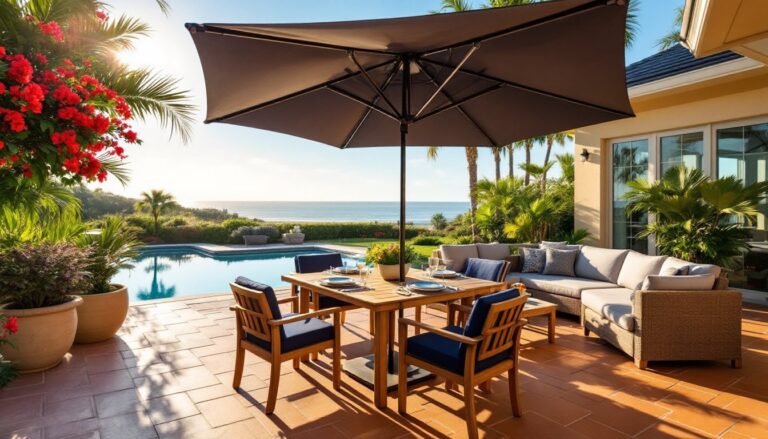
Aldi patio furniture has quietly become one of the smartest moves for homeowners who want quality outdoor seating without the premium price tag. Whether you’re furnishing a small deck, a sprawling backyard, or just upgrading a few worn-out chairs, Aldi’s seasonal patio collections deliver solid construction and practical design at prices that won’t make you wince. Unlike big-box stores that stock disposable-feeling pieces or specialty retailers that charge like they’re selling solid teak sculptures, Aldi finds the middle ground, durable materials, thoughtful sizing, and honest value. This guide walks you through what makes Aldi patio furniture worth your attention, which collections are actually worth buying right now, and how to set it up so it lasts.
Table of Contents
ToggleKey Takeaways
- Aldi patio furniture delivers quality outdoor seating at 20–40% lower prices than competitors, with transparent material specs and no hidden delivery costs.
- Dining sets, loungers, and accent pieces from Aldi range from $150–$650, offering practical sizing and solid construction suitable for 3–5 years of regular use.
- Measure your space carefully before purchasing—smaller patios work best with bistro sets or four-seat tables, while larger yards can accommodate six- to eight-seat dining sets.
- Maintain Aldi patio furniture by cleaning frames monthly, moving cushions indoors during heavy rain, and applying rust preventative at season’s end to extend durability.
- Powder-coated steel frames resist rust for several years but fade after 4–6 seasons, while aluminum alternatives last longer but cost more and are less commonly available.
Why Aldi Patio Furniture Stands Out for Budget-Conscious Homeowners
Aldi’s approach to patio furniture is refreshingly straightforward. The company sources well-made pieces without the marketing bloat or designer markup. You get powder-coated steel frames, weather-resistant cushions, and functional design, none of the pretense. The real draw is that Aldi regularly rotates inventory, so new collections appear seasonally at prices that undercut most competitors by 20–40%. A dining set that runs $800–1,200 elsewhere often lands at $500–700 at Aldi.
Budget-conscious homeowners appreciate Aldi’s transparency about materials too. You won’t see vague marketing language like “premium outdoor fabric.” Instead, Aldi lists frame materials (aluminum, steel), cushion density (usually 2–3 inches of foam), and fabric specs upfront. That honesty means you know exactly what you’re buying before you commit. Plus, since Aldi stocks these pieces in-store seasonally, shipping isn’t a concern, you load it in your car and assemble at home, which saves the 15–25% markup that delivery and handling add to online retailers.
Aldi’s Best-Selling Patio Collections This Season
Dining Sets and Seating Options
Aaldi’s dining sets range from four-top bistro styles to large six- or eight-seat rectangular tables with sturdy powder-coated steel or aluminum frames. The chairs typically feature reinforced joinery and non-slip feet, important details that cheap patio furniture skips. Cushions come as an option with most sets: if you buy without them, ensure your chosen chairs have drainage holes in the seat to prevent water pooling. A typical six-piece dining set (table plus four or six chairs) costs $400–650, with cushion sets adding $80–150. Aldi also stocks smaller bistro sets (two-seat tables with matching chairs) for $150–250, perfect for apartments or compact patios.
Seating-only options include lounge chairs, Adirondack-style pieces, and rocker chairs. These often come in pairs or individually and are priced between $100–300 depending on material and cushion inclusion. Most Aldi seating pieces support up to 250–300 lbs comfortably, though always verify weight ratings on the tag. Real-world durability here is solid: homeowners report these holding up well through three to five seasons of regular use when maintained properly.
Loungers, Benches, and Accent Pieces
For relaxation-focused setups, Aldi offers chaise loungers and recliners in the $200–400 range. These pieces typically have aluminum frames and multi-position backs, letting you adjust from upright to flat. Look for lumbar support details in the cushion design and confirm that the reclining mechanism (usually a pin-and-slot system) feels smooth and secure. Benches, both dining-height and lounge-height, run $150–300 and work well as seating overflow or as storage bases (many have lift-up tops).
Accent pieces like side tables, umbrella stands, and plant stands ($50–150) round out collections. While these seem minor, they’re often high-quality and rarely disappoint. Garden design ideas can help you think through how accent pieces tie a space together, but Aldi’s functional approach means even a basic metal side table works anywhere.
How to Choose and Style Aldi Patio Furniture for Your Space
Start by measuring your actual patio or deck space, both floor area and height clearances. Aldi pieces are practical-sized, but a six-seat dining table needs at least 10×12 feet of space to feel comfortable, with 18–24 inches of clearance around the perimeter for movement. If you have a smaller deck (8×10 feet or less), a bistro set or four-seat table is more proportional. Sketch a rough layout on paper and note sun exposure, wind direction, and drainage patterns: these affect material performance and comfort.
Color and material coordination matters more than most DIYers realize. Aldi’s neutral palette (charcoal, beige, tan metal with cream or gray cushions) is intentional, these tones hide dust and fading better than pure white or bright colors, and they pair with almost any home exterior or landscaping. If you’re mixing pieces from different Aldi seasons, confirm that frame finishes match (powder-coated steel frames can vary slightly in sheen and tone across production runs). Cushion fabrics are usually interchangeable among pieces from the same season, so don’t hesitate to swap them for a cohesive look.
Styleing also means thinking about traffic flow and function. Don’t crowd a small patio with every piece at once: it’s better to start with a dining set or a lounge area and add accent pieces gradually. Many home decor ideas work equally well with budget-friendly pieces when the fundamentals are right, good proportions, intentional color, and quality materials that feel solid to the touch.
Durability and Weather Resistance: What to Expect
Aldi patio furniture is built to handle moderate climates, temperature swings, seasonal rain, and typical UV exposure. The powder-coated steel frames resist rust for several years if maintained, though powder coating eventually chalks and fades after four to six seasons of direct sun. Aluminum frames last longer and don’t rust, but they’re pricier and less common in current Aldi collections. Cushions rated for outdoor use are usually polyester-acrylic blends treated with UV and water-resistant finishes: expect 2–3 years of color retention before noticeable fading, especially in bright sunlight.
Climate matters hugely. In humid coastal regions or areas with heavy freeze-thaw cycles, frame materials may degrade faster than in arid or mild climates. Aldi’s warranty (typically 1–2 years on structural defects) covers manufacturing issues but not normal wear or environmental damage. If you live in a harsh climate, this furniture is still a smart buy, just plan for replacement sooner, or invest in furniture covers during off-season storage. Covering pieces seasonally or during extended rain significantly extends life: many homeowners report outdoor entertaining ideas include rotating pieces indoors or under covered areas during heavy weather, which is practical and extends durability.
One honest note: Aldi patio furniture isn’t heirloom-grade. It’s designed for 3–5 years of regular use, sometimes longer if you’re diligent. Once frames show rust or cushions deteriorate, replacement rather than repair is typically the solution.
Assembly, Maintenance, and Long-Term Care
Assembly is straightforward for most Aldi pieces and typically takes one to two hours for a full dining set with two people working. You’ll need a screwdriver (power or hand), an adjustable wrench, and a mallet for tapping joints together. Some larger sectionals require three people for safe positioning. The instruction sheets are clear but not always in perfect English: take time to lay out all parts and identify them against the diagrams before starting. Don’t force joinery, if a bolt doesn’t thread smoothly, back out and recheck alignment. Tight joints now prevent wobbling and loosening later.
Maintenance is where durability really shines. Clean frames monthly with mild soap and water, drying thoroughly to prevent water spots and rust. Cushions should be hosed down occasionally and air-dried in the sun: bring them indoors during heavy rain or before winter. A light spray of rust preventative (like WD-40 or 3-in-1 oil) on steel frames at season’s end adds years to life. If powder coating chips, sand the exposed area lightly and apply touch-up paint or metal sealant to prevent rust from spreading.
For long-term storage, clean everything thoroughly, ensure it’s completely dry, and cover with breathable tarps (not plastic, which traps moisture). If storing indoors or in a garage, stack pieces carefully and avoid stacking weight on cushions. This simple routine, regular cleaning, seasonal maintenance, and thoughtful storage, is the difference between furniture that lasts three seasons and furniture that lasts five or more.