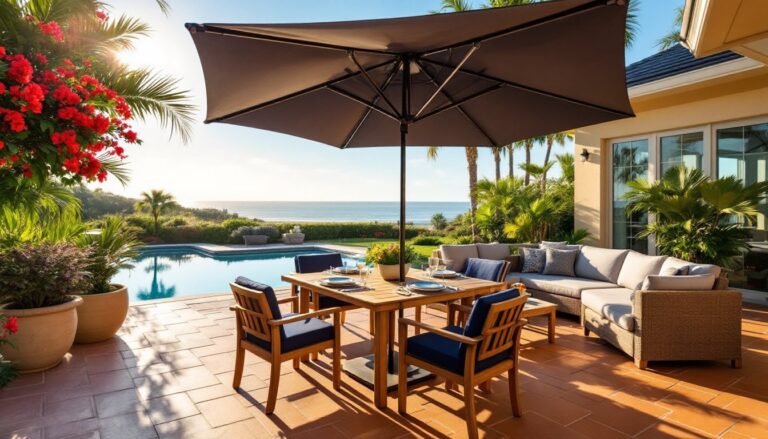
Cast aluminum patio furniture has become the go-to choice for homeowners who want furniture that’s lightweight, affordable, and built to last. Unlike wrought iron, which rusts and requires constant upkeep, or wood, which warps and splinters over time, cast aluminum sits in that sweet spot: it resists corrosion, holds up to sun and rain, and doesn’t demand the seasonal maintenance that other materials do. Whether you’re furnishing a small balcony or outfitting an entire deck, understanding what makes cast aluminum tick, and how to pick the right pieces for your space, will save you money and headaches down the road.
Table of Contents
ToggleKey Takeaways
- Cast aluminum patio furniture resists corrosion, weighs one-third less than wrought iron, and requires minimal seasonal maintenance compared to wood or metal alternatives.
- Thicker castings (3mm–5mm) and bolted joints are critical durability indicators; always verify that manufacturers use stainless steel fasteners to prevent rust and future adjustment problems.
- Powder-coat finishes outperform standard paint for long-term durability and color retention, making cast aluminum furniture worth the upfront investment if you plan to keep pieces for 10+ years.
- Routine care—monthly water rinsing, annual protective waxing, and prompt touch-ups for oxidation—extends the life of cast aluminum furniture without the demanding seasonal upkeep required for other materials.
- A quality four-piece cast aluminum set ranges from $400–$1,200, with mid-range options ($800–$1,500) offering the best balance of solid construction, finish quality, and warranty coverage.
Why Cast Aluminum Is the Smart Choice for Your Patio
Cast aluminum furniture checks nearly every box for outdoor use. The material doesn’t rust because aluminum doesn’t oxidize the way iron does: instead, it forms a thin, self-protecting oxide layer that stops corrosion dead. It’s also roughly one-third the weight of wrought iron, making rearrangement and storage far less of a chore when seasons change or when you need to hose down the patio.
Cost-wise, cast aluminum sits below wrought iron and premium teak but above the cheapest plastic furniture. You get durability without the contractor-grade price tag. Unlike some materials, it doesn’t splinter, crack, or rot, factors that matter if kids or pets spend time on the patio. The material also conducts heat less aggressively than metal like steel, so you won’t burn your legs in July when you sit down.
One practical advantage: you can repaint cast aluminum if the finish gets tired. A fresh coat of outdoor-rated paint breathes new life into older pieces, something you can’t easily do with stained wood or certain powder-coated metals. For renters or anyone who likes to refresh their outdoor space without replacing everything, that flexibility is genuinely valuable.
Key Features and Design Styles to Consider
Cast aluminum comes in dozens of styles, from modern slatted designs to ornate reproductions of Victorian garden furniture. The weight distribution means thicker arms and legs without the furniture becoming immovable, so you get both style and usability.
When evaluating pieces, check the wall thickness of the casting. Thicker castings (typically 3mm to 5mm) are more durable and less prone to cracking if dropped or if a large person sits down with force. Cheaper imports sometimes use thinner walls to cut costs: they’ll feel flimsier and won’t last as long.
The joints matter too. Look for pieces where legs and armrests are bolted or welded together rather than simply glued. Bolted connections let you tighten hardware if things get loose after a few years of use and weather exposure.
Design Aesthetics and Finishes
Most cast aluminum furniture comes with either a powder coat finish or a painted finish. Powder coat is factory-applied and more durable long-term, it’s baked on at high temperature and resists chipping better than standard paint. It’s worth the extra cost if you plan to keep the furniture for a decade or longer.
Color choices range from classic black and bronze to contemporary grays, whites, and earth tones. Lighter colors stay cooler in direct sun but show dirt more easily. Black absorbs heat and hides dust but can get hot to the touch. Textured finishes hide wear better than gloss: they also reduce glare if the furniture sits in a bright spot.
For design aesthetics, homedit.com offers inspiration for coordinating outdoor furniture with your home’s overall style. Whether you lean toward modern minimalism, cottage charm, or transitional looks, cast aluminum manufacturers offer profiles that fit. Some pieces feature slatted backs for a streamlined look, while others have cushioned seats for comfort, a trade-off between style and maintenance, since cushions need drying and occasional cleaning.
Durability and Weather Resistance
Cast aluminum’s resistance to rust and rot is its headline feature, but there are caveats. While the base material doesn’t rust, the finish can chip, and if the underlying aluminum is exposed, you’ll get white powdery corrosion (aluminum oxidation) rather than the red-brown rust of iron. It’s easily sanded off or painted over, but it’s worth knowing.
The real durability limiter is often hardware, bolts, screws, and springs. Use stainless steel fasteners when tightening or replacing any hardware. Regular steel bolts will rust and lock up, making future adjustments difficult. If you’re buying a set, confirm that the manufacturer used stainless fasteners: cheaper sets sometimes skimp here.
Extreme temperature swings can cause problems. In harsh climates where temperatures swing 50°F or more in a single day (common in mountain or high-desert regions), repeated expansion and contraction can crack welds or cause bolts to loosen. Check the manufacturer’s warranty for your climate zone, reputable brands specify whether their furniture is rated for extreme cold, intense heat, or both.
Ultraviolet (UV) exposure will fade painted finishes over time, but this is cosmetic unless the paint cracks. Powder-coated finishes hold color longer than standard paint. If UV is a concern in your area, store the furniture under a covered structure during off-season months, or use outdoor furniture covers rated for your climate to extend finish life.
Maintenance and Care Tips
Cast aluminum furniture doesn’t demand much, but a little routine care extends its life significantly. Start with a simple regimen: hose off the pieces monthly with plain water, or more often if your area is coastal (salt spray accelerates corrosion) or sits near a pool with chlorine-treated water.
For stubborn dirt or bird droppings, use a soft brush or microfiber cloth and a mild dish soap solution. Avoid abrasive scrubbers or steel wool, which can scratch the finish and expose bare metal underneath. Dry the furniture with a towel after washing to prevent water spots, especially if you have hard water.
If cushions are part of your set, remove and store them in a dry place during winter or rainy seasons. Cushion covers trap moisture, which breeds mold and mildew. Wash covers annually in warm water with mild detergent, and allow them to dry completely before reinstalling.
Once a year (or every two years if the climate is mild), apply a protective wax or furniture polish rated for outdoor metal. These products add a water-repelling layer that helps the finish shed rain and slows oxidation. Avoid silicone-based polishes: they’re slippery and can stain cushions. Look for products labeled for cast aluminum or outdoor furniture, they’re typically available at home centers or online.
If you notice small cracks in the finish or white oxidation, sand the spot lightly with 220-grit sandpaper, wipe clean, and touch up with outdoor metal paint or a spray can labeled for aluminum. Don’t ignore this: exposed aluminum oxidizes faster once the protective barrier is breached.
Choosing the Right Set for Your Space and Budget
Before buying, measure your patio or deck carefully. Furniture that looks perfect in a showroom can feel cramped in real life. A standard dining chair is roughly 24 inches wide: a dining table for six typically needs 36 inches minimum length, plus space to pull chairs back. Account for traffic paths and any built-in features like grills, planters, or hot tubs.
Budget varies dramatically. A basic four-piece set (table and four chairs) ranges from $400 to $1,200 depending on castings thickness, finish quality, and whether cushions are included. High-end reproductions or designer pieces run $2,000 to $5,000+. Mid-range sets ($800–$1,500) usually offer the best value: solid casting, powder-coat finish, stainless hardware, and a warranty.
Check the warranty carefully. Reputable manufacturers back cast aluminum furniture for 3 to 10 years against manufacturing defects and finish breakdown due to normal weather exposure. Warranties that exclude UV fade or oxidation are standard: those that cover hardware replacement for life are a plus.
Better Homes & Gardens regularly covers outdoor furniture trends and options, which can help you identify styles that align with your home’s aesthetic while you’re budgeting. If you’re planning to incorporate multiple seating areas or lounges, consider buying modular sets that let you add pieces over time rather than committing to one large purchase upfront.
For smaller patios or budgets, don’t overlook café-style bistro sets: two chairs and a small round table often cost $200–$400 and take up minimal space. They’re perfect for apartments or condos where large dining sets aren’t practical. Sunset’s guides on outdoor entertaining often feature scaled solutions for various space constraints, which can inspire creative layouts.
Conclusion
Cast aluminum patio furniture strikes a rare balance: it’s affordable, durable, low-maintenance, and available in styles to match nearly any home. By prioritizing thicker castings, powder-coat finishes, stainless fasteners, and reputable manufacturers, you’ll buy once and enjoy your outdoor space for a decade or longer. Start with a clear budget and space measurements, invest in basic protective care, and your patio furniture will hold its own against sun, rain, and the everyday wear of living outside.