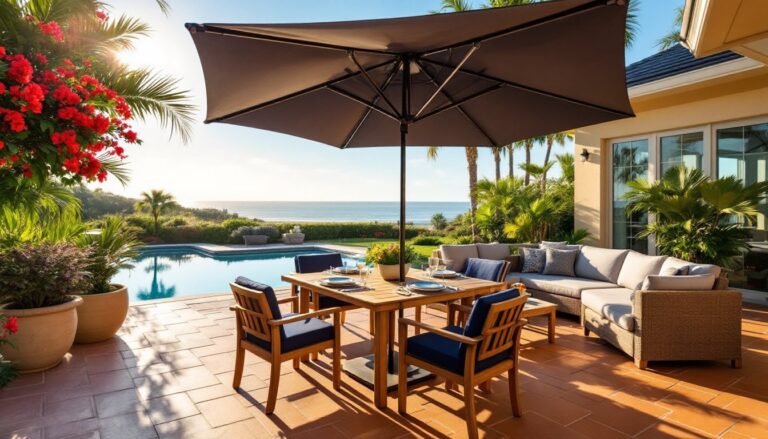
Cushioned patio furniture transforms outdoor spaces from bare concrete into inviting retreats. A well-chosen set improves comfort, extends your home’s usable living area, and adds aesthetic appeal, but not all cushioned patio furniture is created equal. Between material choices, durability concerns, and design considerations, the decision can feel overwhelming. This guide walks you through what to look for, how to maintain cushions properly, and how to style your outdoor space without guesswork or regret.
Table of Contents
ToggleKey Takeaways
- Cushioned patio furniture provides genuine comfort and aesthetic appeal, extending your home’s usable living area while justifying the upfront investment through 5–10 years of durability with proper care.
- Quality cushion materials matter: choose high-density foam and solution-dyed acrylic covers like Sunbrella for fade resistance and longevity, as cheaper alternatives flatten and degrade quickly.
- Proper maintenance—storing cushions indoors during winter, vacuuming monthly, and ensuring water drains rather than pools—keeps your cushioned patio furniture looking new and prevents mold.
- Select cushioned seating based on your space: versatile chairs for small patios, loungers for relaxation areas, and sectionals for large family gatherings or entertaining.
- Balance design impact by mixing neutral cushion colors with one patterned accent, layering textures, and scaling cushions appropriately to your furniture frame size.
- Incorporate lighting, area rugs, and throw pillows to complete your outdoor room, treating it with the same intentional design as your indoor spaces.
Why Cushioned Patio Furniture Is Worth the Investment
Cushioned patio furniture costs more upfront than bare frames, but the return on that investment is real. Cushions make seating genuinely comfortable, your guests actually stay longer, you use the space more often, and the experience justifies the price. Beyond function, cushions add visual warmth. A naked metal frame looks industrial: add cushions and the same set becomes inviting.
Durability matters here. Quality cushions hold their shape through seasons, resist fading, and don’t become a maintenance nightmare. Cheaper cushions flatten within a year or two, requiring replacement, that’s a false economy. When you invest in mid-range to premium cushioned sets, you’re buying furniture that lasts 5–10 years with reasonable care. That spreads the cost across many seasons of use.
There’s also the resale angle. A well-maintained cushioned set holds its appeal when you move or upgrade. Bare frames are harder to move and less desirable to buyers. Cushioned pieces feel finished and intentional.
Types of Cushioned Patio Furniture to Consider
Seating Options: Chairs, Loungers & Sectionals
Cushioned chairs are the most versatile starting point. Adirondack chairs with cushions suit casual decks: club chairs work for contemporary patios. A pair of cushioned chairs flanking a small table creates an intimate conversation nook without eating up space.
Loungers or chaise lounge chairs are ideal if your patio catches afternoon sun and you want a place to relax with a book. They’re deeper and longer than regular chairs, so measure your space, they demand real estate. A lounger with a removable, zippered cushion cover is easier to clean and store if weather gets rough.
Sectionals are the go-to for family spaces or entertaining. An L-shaped sectional with cushions can anchor a patio and define the seating area. Options like outdoor furniture ideas show how sectionals adapt to different layouts. Sectionals take up significant space, so confirm your patio dimensions before buying. Modular sectionals are nice because you can rearrange pieces or add/remove components as needs change.
When shopping, sit on the furniture if possible. What feels supportive in the showroom should feel the same after delivery, returns are expensive and frustrating.
Dining & Accent Pieces
Cushioned dining chairs elevate the outdoor meal experience. Hard metal or wood seats get uncomfortable after 30 minutes: add cushions and dinner guests linger happily. Seat cushions (thinner, typically 2–3 inches) work for dining: back cushions add lumbar support for longer meals.
Benches with cushions offer casual seating, especially on decks or alongside larger tables. They’re space-efficient and let you seat more people than individual chairs.
Accent pieces, ottomans, poufs, or small side tables with cushioned tops, serve double duty as storage or footrests. A cushioned ottoman pairs well with a lounger and provides a place to prop your feet or set drinks.
Mix and match within reason. Matching sets feel cohesive, but layering different cushion colors and patterns (keeping a common color thread) creates visual interest. Design inspiration from home design resources shows how professionals balance unity with personality in outdoor spaces.
Choosing the Right Cushions: Materials & Maintenance
Cushion fill material shapes durability and comfort. High-density foam (1.5–2.0 lbs per cubic foot) resists flattening and lasts longer than budget foam. Memory foam conforms to your body but can trap moisture in humid climates. Polyurethane foam is budget-friendly but soften faster. Top-tier outdoor cushions use layered foam, a firmer base with softer material on top.
Cover fabric is equally critical. Solution-dyed acrylic (like Sunbrella) resists fading, moisture, and mildew. It’s the gold standard for outdoor cushions and costs more but justifies it, colors stay vibrant after years of sun. Polyester is cheaper but fades and degrades faster. Olefin offers a middle ground: decent fade resistance at moderate cost.
Maintenance keeps cushions looking good. Store cushions indoors during winter or invest in weatherproof storage boxes. Vacuum or brush off debris monthly. Spot-clean spills with mild soap and water: most outdoor fabrics are stain-resistant. Wash covers annually if they’re removable, many unzip for machine or hand washing. Direct sun exposure fades cushions over time, so consider an umbrella or shade structure. Wet cushions should dry fully: standing water breeds mold. Position cushions at an angle or store them upright during heavy rain so water runs off rather than pooling.
Budget for replacement cushion covers every 5–7 years depending on climate and sun exposure. Frames last much longer, so replacing covers is cheaper than replacing the whole set.
Design Tips for Styling Your Outdoor Space
Color and pattern set the mood. Neutral cushions (cream, gray, taupe) feel timeless and pair with any decor style. Bold colors or geometric patterns add personality but date faster, use them sparingly or be ready to refresh. Mixing a solid base color with one patterned accent (like a striped pillow) balances energy without chaos.
Layering textures through cushions and throws creates depth. A smooth acrylic cushion paired with a rough linen throw or a woven pouf adds visual interest. Keep fabrics weather-appropriate, avoid natural linen or delicate cotton unless they’re stored indoors after use.
Scale matters. Oversized cushions on large sectionals look intentional and luxe: tiny cushions on a big frame look sparse. Aim for cushions that cover at least half the seating surface.
Accessories amplify design. Throw pillows (in weatherproof fabrics) add comfort and color. An outdoor rug anchors the seating area and defines the zone. A side table with a lamp or lantern makes the space feel complete. Southern outdoor living styles demonstrate how to create cohesive patio environments by coordinating furniture, textiles, and lighting.
Symmetry vs. asymmetry affects mood. Symmetrical arrangements (matching chairs flanking a table) feel formal and balanced. Asymmetrical layouts (varied chair heights, offset seating) feel relaxed and dynamic. Choose based on your lifestyle and aesthetic.
Lighting transforms the space at dusk. Overhead string lights, lanterns, or a pergola with integrated lighting makes the area functional and inviting after sunset. Cushioned furniture benefits from good lighting, it shows off colors and textures you’ve chosen.
Conclusion
Cushioned patio furniture is an investment in comfort, style, and outdoor living. Choose durable materials, maintain cushions regularly, and style with intention. The result is a space where you and your family genuinely want to spend time. Start with one good piece, a quality sectional or pair of chairs, and build from there. Your outdoor room deserves the same care and thought as your indoor one.