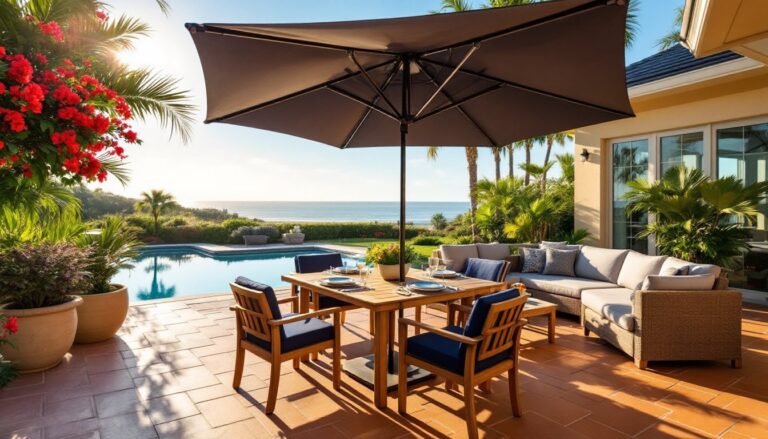
Your backyard deserves more than just a couple of plastic chairs. Harmonia Living patio furniture has become a go-to choice for homeowners looking to build an outdoor living space that’s both durable and stylish without very costly. Whether you’re furnishing a small balcony, a sprawling deck, or planning a full outdoor renovation, understanding what Harmonia Living offers, and how to maintain it, makes the difference between a backyard that lasts five seasons and one that lasts fifteen. This guide walks you through the collections, materials, and practical setup tips to help you make the right choices for your space.
Table of Contents
ToggleKey Takeaways
- Harmonia Living patio furniture provides durable, weather-resistant seating at mid-range prices, lasting 7–12 years with proper maintenance compared to budget furniture that degrades within a season or two.
- Poly-rattan wicker with aluminum frames and solution-dyed fabrics are the key material qualities that determine how well Harmonia Living furniture withstands sun, moisture, and temperature swings.
- Proper setup starts with measuring your space, defining activities (dining, lounging, or entertaining), and considering sun exposure and wind conditions before selecting furniture pieces.
- Regular maintenance—including monthly rinsing, quarterly cushion flipping, spring hardware inspection, and seasonal storage—prevents premature degradation and extends furniture lifespan significantly.
- Arrange seating around a focal point with 8–10 feet conversation distance, layer with outdoor rugs and lighting, and distribute weight evenly across decks to create a functional outdoor living room.
What Is Harmonia Living and Why It Matters for Your Backyard
Harmonia Living is a manufacturer focused on producing affordable, weather-resistant patio furniture that holds up in real-world conditions. Unlike mass-market big-box options that degrade in a season or two, Harmonia Living pieces use resin wicker, aluminum frames, and marine-grade fabrics designed to handle sun, moisture, and temperature swings without falling apart.
The brand sits in the mid-range: not the cheapest, but not high-end resort furniture either. This positioning appeals to homeowners who want durability without spending four figures on a single chair. Their manufacturing focuses on teak wood alternatives, UV-resistant cushions, and rust-resistant hardware, details that matter when your furniture lives outside year-round.
Why this matters for your backyard: Cheap furniture requires annual replacement: overpriced furniture feels unnecessary for most homeowners. Harmonia Living splits the difference, delivering pieces that actually survive winter, resist fading, and look intentional rather than “placeholder.” When you’re investing time in layout, ground prep, and design decisions, your furniture should keep pace.
Key Collections and Design Styles Available
Harmonia Living organizes its offerings into distinct collections, each targeting a different aesthetic and space type.
Wicker and Rattan Collections dominate their lineup. These use poly-rattan, a synthetic wicker made from polyethylene, wrapped around aluminum or steel frames. Poly-rattan won’t splinter, rot, or unravel like natural rattan, making it ideal for exposed outdoor environments. You’ll find conversation sets, sectionals, and individual lounge chairs in these lines.
Teak-Look Collections offer a warm, natural wood aesthetic without the high maintenance of solid teak. These use resin-finished wood composites or aluminum that mimics teak’s color and grain. They appeal to homeowners who want a Scandinavian or modern resort look without monthly oiling.
Contemporary Metal Collections lean into minimalist frames, anodized aluminum with sling fabric or mesh seats. These work well for smaller patios and modern homes where storage space is tight.
You can explore their current product range through Harmonia Living’s complete collection on Gardenista, which aggregates their available styles and seasonal offerings. Browsing actual product photos helps you visualize scale and finish quality before committing to a purchase.
Material Quality and Durability Features
Material choice determines how long your furniture survives and how much maintenance it demands. Here’s what you’re actually buying:
Poly-Rattan Wicker: This synthetic weave resists UV fading, moisture absorption, and insect damage. Unlike natural rattan (which requires regular sealing), poly-rattan handles rain, poolside chlorine, and temperature swings. The catch: cheaper poly-rattan can become brittle in extreme cold or crack under constant direct sun. Harmonia Living uses mid-grade resin that holds up reasonably well across most climates.
Aluminum Frames: Lightweight and corrosion-resistant, aluminum frames won’t rust or rot. Harmonia Living typically uses 6061-T6 aluminum alloy (an industry standard for outdoor furniture), which offers good strength-to-weight balance. Powder-coated finishes protect against salt-spray and UV damage.
Cushions and Fabrics: This is where most outdoor furniture fails. Harmonia Living uses marine-grade, solution-dyed fabrics, meaning the color is baked into the fiber, not surface-printed. These resist mildew, fading, and moisture absorption better than budget alternatives. Cushion cores are typically foam or polyester fill, designed to shed water quickly.
Weight and Stability: Heavier pieces (typically 15+ pounds per chair) stay put in wind and feel substantial. Lightweight furniture can tip or slide, especially with cushions or when occupied by children.
The durability sweet spot: Choose poly-rattan or aluminum over cheaper plastic: prioritize solution-dyed fabrics: and verify that hardware (bolts, hinges, brackets) is stainless steel or powder-coated, not bare metal.
How to Choose the Right Pieces for Your Space
Picking furniture for your backyard follows the same logic as indoor room planning: measure first, define your use, then select pieces that fit.
Step 1: Measure Your Patio. Note the usable floor area (exclude areas under eaves, against the house, or too close to stairs). A typical conversation set, a loveseat, two chairs, and a coffee table, needs roughly 10 feet by 12 feet of clear space. Don’t cram furniture into every corner: awkward arrangements trap dirt and make the space feel cramped.
Step 2: Define Your Activity. Will this be a dining area, a relaxation zone, or a mix? Dining requires sturdy tables and chairs (check weight capacity: most Harmonia chairs support 250+ pounds). Lounging needs deep seating and side tables for drinks. Kids’ play areas benefit from durable, washable cushions. Entertaining demands flexible layouts, pieces on casters or modular sectionals beat fixed benches.
Step 3: Consider Sun and Wind Exposure. Direct afternoon sun accelerates fading: choose darker cushion colors or higher-grade solution-dyed fabrics. Windy sites demand heavier pieces or those with wider footprints. Coastal locations (salt spray) require stainless steel hardware and top-tier wicker.
Step 4: Match Your Home’s Exterior. Your patio furniture should echo your home’s siding, trim, or roofline. Warm-toned teak-look pieces complement brick: cool-gray metal suits modern homes: natural rattan works with earth-tone palettes. Cushion fabric adds personality, solids are timeless, patterns date quickly.
Step 5: Budget for Cushions and Accessories. Harmonia Living cushions are often sold separately. A full conversation set (4 chairs, loveseat, table) with new cushions typically runs $1,200–$2,000 depending on collection. Add an outdoor rug (which grounds the space visually and reduces glare reflection), lighting, and perhaps a fire table for evening gatherings.
Resources like Homedit’s furniture guides offer additional layout inspiration and pairing ideas if you’re uncertain about proportions or color coordination.
Maintenance and Care Tips for Long-Lasting Results
Outdoor furniture doesn’t self-maintain, but basic care prevents premature degradation.
Cleaning: Rinse furniture monthly (or after storms) with a garden hose to remove dust, pollen, and debris. For deeper cleaning, mix mild dish soap and water: scrub with a soft brush, then rinse thoroughly. Avoid pressure washers, they can damage wicker and blast water into frame joints. For stubborn mildew on cushions, use a 1:1 bleach-to-water solution (test on a hidden corner first), scrub gently, and rinse immediately.
Cushion Care: Bring cushions indoors during heavy rain or extended winter storage. If left outside year-round, use a waterproof furniture cover or store cushions in a sealed bin. Flip cushions quarterly to ensure even wear. Solution-dyed fabrics handle sun better than regular upholstery, but direct summer sun will still fade over time, consider a patio umbrella or shade sail for high-traffic seating.
Hardware Inspection: Every spring, check bolts, hinges, and fasteners. Tighten any that’ve loosened: replace corroded bolts with stainless steel alternatives. Poly-rattan can shift slightly in temperature extremes, causing fasteners to work loose.
Seasonal Storage: In freeze-thaw climates (temperature swings below 32°F), bring furniture indoors or cover it with a breathable outdoor cover. Water trapped in joints can freeze, expand, and crack resin or aluminum. In mild climates, outdoor covers during off-season months (November–March) reduce unnecessary UV exposure.
Spot Repairs: A cracked rattan strand or loose cushion cover isn’t a death sentence. Many Harmonia Living pieces allow cushion covers to be unzipped and washed separately. Small wicker breaks can be reinforced with clear outdoor sealant. Aluminum frames rarely corrode, but if powder coating chips, touch it up with clear exterior paint to prevent oxidation.
Honest timeline: With annual cleaning and cover use, Harmonia Living furniture typically lasts 7–12 years before cushions need replacement or minor frame repairs become necessary. That’s well above big-box expectations.
Setting Up Your Outdoor Living Area
Layout and finishing touches turn furniture into a functional living room. Here’s how to approach setup:
Ground Preparation: Sweep and level your patio surface. Uneven ground causes furniture to rock and can crack frames or welds over time. If your patio has low spots or drainage issues, address those before placing heavy pieces, water pooling under furniture accelerates corrosion and rot.
Furniture Arrangement: Start with a focal point, a fire table, water view, or landscape feature. Arrange seating to face that point, with conversation distances around 8–10 feet (close enough to chat, far enough not to feel crowded). Leave walking paths: a blocked patio feels claustrophobic.
Layering: Add texture and function with an outdoor rug (defines the seating zone and provides a color anchor), string lights or lanterns (extends usability into evening), and side tables (for drinks, books, or decor). The Spruce offers comprehensive guides on outdoor design that cover lighting, rugs, and finishing details if you want deeper inspiration.
Weight Distribution: Don’t cluster all heavy furniture against one edge of your deck or patio. Spread weight evenly, especially on older decks where concentrated load can cause sagging. Check your deck’s joist and support structure: many residential decks have a safe load capacity around 40 pounds per square foot. A sectional sofa or large dining set can exceed this locally if bunched in one spot.
Access and Sight Lines: Position furniture to avoid blocking sightlines from doors or windows. You should be able to glance outside and see your seating area, it encourages actual use. Leave enough clearance around tables for chairs to pull back without bumping walls or other pieces.
Seasonal Adjustments: In summer, angle seating to capture shade from structures or trees. In spring, position to catch morning sun if your winters are cold. Small adjustments based on season maximize comfort without rearranging everything.
Conclusion
Harmonia Living patio furniture delivers practical durability at a mid-market price, appropriate for homeowners who want outdoor seating that survives neglect better than budget options but doesn’t demand resort-level maintenance. Choose pieces suited to your climate and use pattern, invest in good cushions and covers, and clean regularly. A well-maintained Harmonia Living set gives you a decade or more of reliable outdoor living. Start with measurement, define your activity, and build from there. Your backyard will thank you.