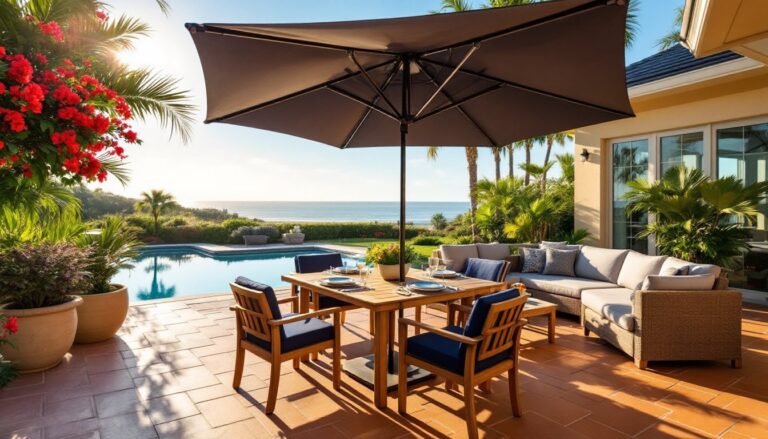
If you’re shopping for outdoor furniture that’ll outlast a decade of weather without falling apart, teak deserves serious consideration. This tropical hardwood has earned its reputation as a premium patio material, not because of hype, but because of real durability and timeless aesthetics. Whether you’re furnishing a small balcony or redesigning an entire outdoor living space, understanding teak’s strengths, maintenance requirements, and true cost can help you make a decision that actually pays off. This guide walks you through what makes teak different, how to spot quality, and how to keep your pieces looking good for years.
Table of Contents
ToggleKey Takeaways
- Teak patio outdoor furniture lasts 25+ years with minimal structural decay due to natural oils that repel water, resist rot, and protect against termites—far outlasting cedar (15–20 years) and composite materials (10–15 years).
- Quality matters: Grade A teak from mature heartwood is more durable and stable than Grade B, and solid teak pieces are superior to veneered alternatives; always verify FSC certification and wood origin before purchasing.
- Teak weathers gracefully to a silver-gray patina without sealing, though annual oiling preserves the original honey tone; avoid pressure washers above 1,500 PSI and use only soft brushes with mild soap to prevent grain damage.
- Teak’s warm grain and rich color complement modern, Mediterranean, and tropical design styles while blending seamlessly with concrete, steel, stone, and textiles, making it ideal for cohesive outdoor living spaces.
- Despite higher upfront costs ($200–$5,000+ depending on size and craftsmanship), teak furniture delivers superior cost-per-year value and holds its investment better than alternative materials with proper climate assessment and maintenance commitment.
Why Teak Stands Out for Outdoor Patio Furniture
Natural Weather Resistance and Longevity
Teak contains natural oils that repel water and resist rot, you don’t get that from pressure-treated pine or even mahogany. These oils act like built-in weatherproofing, which means a teak chair can sit outside year-round without significant structural decay. The wood is also resistant to termites and fungal rot, two silent killers of outdoor furniture.
Typical lifespan matters here. A well-maintained teak piece lasts 25+ years: many pieces last 40 or 50 with basic care. That’s dramatically longer than cedar (15–20 years) or composite materials, which start breaking down after 10–15 years in direct sun. The cost-per-year calculation often favors teak even though the higher upfront price.
Teak also doesn’t require sealing or staining to hold up outdoors, though applying finish helps it retain color longer. Without treatment, teak weathers to a soft silver-gray patina, a look many homeowners actually prefer. If you want to keep the original honey tone, annual oiling is the main work.
Aesthetic Appeal and Design Versatility
Teak’s warm grain and rich brown color suit everything from modern minimalist patios to Mediterranean and tropical themes. The wood is stable enough for tight joinery and fine details, so you see teak in everything from simple slat-back chairs to intricate carved pieces. Clean lines photograph well, which is why teak shows up constantly in design publications like Design Milk and high-end outdoor collections.
One huge advantage: teak blends with almost any decor style and mixes well with other materials. Teak pairs naturally with concrete, steel, stone, and textiles without clashing. It also ages gracefully, the silver-gray weathered patina looks intentional and sophisticated, not neglected. That’s different from pressure-treated wood, which often looks worn out as it fades.
Understanding Teak Wood Quality and Sourcing
Not all teak is equal. Grade A teak, harvested from the heartwood of mature trees (typically 40+ years old), contains the highest concentration of natural oils and costs more. Grade B teak comes from younger trees or includes some sapwood, is slightly less stable, and runs 20–30% cheaper. You’ll also find plantation teak (managed sustainably) versus old-growth (harvested from natural forests, often more expensive and ethically complicated).
When comparing options, check if the wood is solid teak or teak veneer. Solid teak benches, chairs, and tables are more durable and repairable: veneered pieces look identical but are more prone to damage if the core material gets wet. Most quality outdoor teak is solid, but always ask the seller.
Origin and certification matter for both durability and ethics. Indonesian teak is the most common and typically reliable. Malaysian teak and Indian teak also have good reputations. Look for FSC (Forest Stewardship Council) certification if sustainable sourcing matters to you, it indicates the wood came from responsibly managed forests. Avoid sellers who can’t explain the wood’s origin or age.
Price ranges vary wildly: a basic teak side table might run $200–400, a dining set (table + 6 chairs) can cost $2,000–5,000, and high-end sculptural pieces exceed $8,000. Region, retailer, wood grade, and joinery all affect the final number. As with any furniture investment, comparing three vendors before buying saves money and helps you spot overpriced outliers.
Essential Care and Maintenance Tips
Seasonal Cleaning and Protection Strategies
Don’t assume teak is maintenance-free just because it’s durable. A light annual cleaning keeps it looking best and extends the finish.
Spring cleaning (after winter): Use a soft brush and mild soap with lukewarm water to remove pollen, mold spores, and bird droppings. Hose off with fresh water and let dry completely, typically 24–48 hours depending on humidity. Never use a pressure washer above 1,500 PSI: high pressure can splinter the grain and open the wood to water infiltration.
Summer care involves protecting against intense UV rays. Direct sunlight causes faster graying (it’s harmless but cosmetic). If you want to maintain the original color, apply a teak sealer or finishing oil every 12 months. Products like Danish oil or specialized teak oils penetrate the surface and replenish the wood’s natural moisture. Follow the manufacturer’s drying time, usually 24 hours before the piece is safe to use.
In humid or rainy climates, mold and mildew can appear on teak, especially if furniture sits in shade. A soft-bristle brush with a dilute bleach solution (10:1 water to bleach) removes it safely. Rinse thoroughly and dry completely to avoid moisture trapping inside the wood.
Fall and winter prep: Move lightweight pieces under cover if possible, or use furniture covers during heavy rain or snow. Teak tolerates freezing weather, but sitting water in joinery can eventually cause problems. Ensure water drains freely from seat slats and cushion bases.
Don’t use harsh chemicals, sandpaper, or abrasive scrubbers, they damage the fine grain. Stick with soft cloths, mild soap, and dedicated teak care products. If deep stains appear, light sanding with fine grit (120–150 grit) can help, but most homeowners shouldn’t attempt this without prior experience.
Cushions and textiles need their own maintenance: sunlight fades fabric, moisture encourages mold, and neglect invites pests. Remove cushions during rain or heavy dew, wash covers yearly, and store indoors during off-season in humid climates. Quality outdoor fabrics (solution-dyed acrylic, Sunbrella) hold up better than cotton or linen.
Designing Your Outdoor Space with Teak Furniture
Teak’s versatility means it works in intimate courtyard gardens, sprawling resort-style patios, and everything between. Start by measuring your space and understanding how you actually use the patio, is it for morning coffee solitude, weekend dinner parties, or lounging with the family?
Layout principles remain the same regardless of material. Group seating around a focal point (fire pit, water feature, or view) rather than pushing everything against walls. Teak’s warm tone naturally anchors a space, so one substantial piece (a dining table or sectional) typically becomes the centerpiece. Smaller accent chairs, side tables, and benches fill the remaining areas. Spacing matters, leave at least 2–3 feet of walking space between pieces and pathways to avoid a cramped feel.
For dining, a teak table with a parasol or shade sails nearby creates an outdoor dining room that feels intentional. Benches paired with individual chairs add flexibility and visual interest compared to all-matching seating. For lounging areas, consider a teak daybed or lounge set, these pieces anchor a relaxation zone and work especially well on elevated decks or patios with partial shade.
Design publications like Sunset feature countless examples of teak in modern and transitional settings. Study similar-sized spaces and climates to your own for inspiration. Note how designers layer textures, rough concrete, soft cushions, smooth teak, and green plants create depth and prevent monotony.
One practical tip: position furniture to take advantage of existing shade (mature trees, awnings) and prevailing breezes. Teak absorbs and releases heat more slowly than metal or plastic, so it stays cooler in full sun, but shade makes seating more comfortable in midsummer. If your space lacks natural shade, a pergola or retractable awning is a worthwhile investment alongside the furniture itself.
Planning Your Teak Investment
Teak patio furniture requires upfront investment and modest annual care, but it delivers decades of reliable performance and refined aesthetics. Quality pieces from reputable sellers who can verify origin and grade hold their value better and require fewer repairs. Start small if you’re testing the material, a pair of chairs or a side table costs less and lets you experience teak’s durability firsthand before committing to a full collection.
With realistic expectations about maintenance and honest assessment of your climate and lifestyle, teak becomes one of the smartest long-term outdoor furniture choices available.