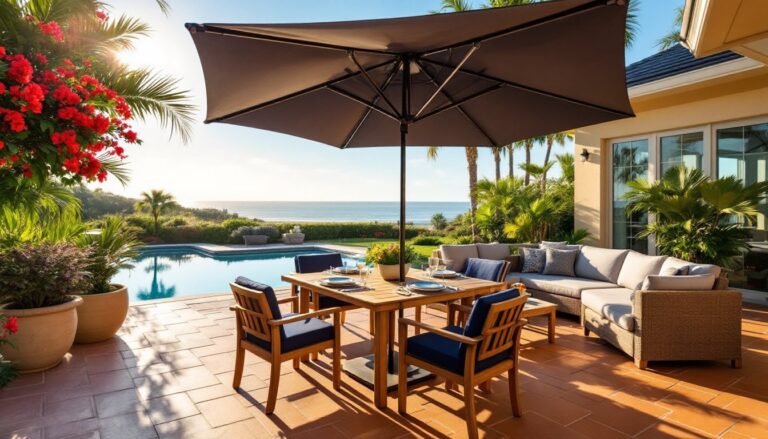
Setting up a patio that’s both functional and inviting starts with the right furniture supplies. Whether you’re furnishing a small balcony or outfitting an expansive backyard, choosing durable patio furniture pieces and knowing where to source quality materials can make the difference between a space you enjoy for one season and one that lasts for years. This guide walks you through the essentials, from selecting the right pieces to understanding materials, finding suppliers, and maintaining what you’ve chosen. Skip the guesswork and build your outdoor room on solid footing.
Table of Contents
ToggleKey Takeaways
- Patio furniture supplies should prioritize durable seating and a table as the foundation, with shade and storage as essential additions to create a functional outdoor space.
- Material choice determines longevity: teak and hardwoods last 15+ years, aluminum offers affordability, and synthetic wicker performs better in humid climates than natural rattan.
- Quality cushions made from solution-dyed acrylic resist fading and mildew far better than polyester, warranting 30–50% of your furniture investment.
- Shop strategically by phasing purchases, mixing price points on decorative items, and buying end-of-season when discounts reach 40–60% to furnish affordably.
- Consistent maintenance—weekly rinsing, monthly fabric cleaning, and annual inspections—extends patio furniture lifespan from three years to ten or more.
- Reliable patio furniture suppliers offer warranties, replacement parts, and material specifications; prioritize year-round vendors over seasonal pop-ups for lasting support.
Essential Patio Furniture Pieces Every Outdoor Space Needs
Start with the basics. A seating area, whether a sectional, dining set, or mix of chairs and a table, is the backbone of any patio. You don’t need everything at once, but planning around these core pieces keeps your layout functional.
The centerpiece is usually a dining table or conversation table (most outdoor tables run 36–48 inches for comfortable seating on all sides). Pair it with seating: chairs, benches, or a sectional sofa depending on your space and how you’ll use it. A side table or two handles drinks, books, and snacks without cluttering the main surface.
Add shade. A patio umbrella (7–9 feet is standard), pergola, or shade sail keeps everyone comfortable during peak sun hours. This protects both people and furniture from UV damage, which extends the life of cushions and finishes.
Consider your activities. If you entertain regularly, prioritize a larger dining set. If you’re reading or relaxing solo, lounge chairs or daybeds might matter more. Storage, like ottomans with inside compartments or deck boxes, keeps outdoor cushions, blankets, and toys protected when not in use.
Don’t overlook lighting and accessories. Outdoor lighting (path lights, string lights, or solar options) adds function and ambiance without breaking the budget. Small items like planters, rugs, and throw pillows are inexpensive ways to test colors and refresh the space seasonally.
Choosing Materials That Last: Wood, Metal, Wicker, and Beyond
Material choice determines whether your patio furniture survives one season or ten. Each has trade-offs in durability, maintenance, and cost.
Teak and hardwoods are the gold standard. Teak naturally resists rot and insects thanks to built-in oils: it weathers beautifully to silver-gray but requires occasional oiling to maintain color. Cedar and ipe (also called Brazilian walnut) are more affordable alternatives with decent rot resistance. Expect to invest $800–$2,000+ for a solid wood dining set. The payoff is longevity, a well-maintained teak set can last 15+ years.
Aluminum and steel frames are lightweight, rust-resistant (especially powder-coated finishes), and affordable ($300–$1,000 for a set). They don’t rot or split, but can feel cold to the touch and less stable than solid wood in high winds. Aluminum is better than steel for wet climates: steel requires vigilant touch-ups if the finish chips.
Wicker or rattan wrapped around aluminum frames offers a softer aesthetic at mid-range prices ($400–$1,200). Hand-woven rattan can fray and needs covered or brought indoors in harsh winters, while synthetic wicker (polypropylene) holds up better outdoors but may look less refined. Wicker works best with regular rinsing and under cover during off-season.
Composite materials (plastic-wood blends) resist splitting, rot, and fading better than wood but can fade over time and trap water if not properly sealed. Cost falls between wood and metal.
Cushion materials matter just as much as the frame. Solution-dyed acrylic (like Sunbrella®) resists fading and mildew far better than polyester. Budget 30–50% of furniture cost for quality cushions: they’re replaceable and often warrant the upgrade.
Weather-Resistant Options for Year-Round Durability
True weather resistance means considering your climate. In humid or rainy regions, avoid solid wood unless you’re committed to annual maintenance. Metal and synthetic wicker shine here. In dry, sunny climates, wood ages gracefully but fades unless sealed or oiled annually.
Galvanized steel resists rust longer than bare steel. Powder-coated aluminum lasts longer than bare aluminum. Synthetic wicker outperforms natural rattan in persistent moisture. If you live near salt water, marine-grade stainless steel costs more but won’t corrode.
Underlying frameworks matter too. Mortise-and-tenon joinery on wood holds better than dowel or pocket-hole joints under flex and weather stress. On metal frames, welded joints are stronger than bolted or riveted. Check construction details before buying: they’re often hidden but critical to longevity.
Cushion covers should have zippered designs so you can remove and wash them, and backing should be quick-dry fabric. Leave cushions outdoors year-round? Choose solution-dyed acrylic fabrics with mildew inhibitors. Storing them? A waterproof outdoor storage box (around $150–$400) keeps cushions dry and extends their life by years.
Where to Source Quality Patio Furniture Supplies
Quality suppliers fall into a few categories. Big-box retailers (Home Depot, Lowe’s, Costco) offer speed and convenience but limited selection and variable quality. You’re buying what’s in stock that season.
Specialty outdoor furniture stores carry deeper selections, higher-end brands, and staff who understand materials and durability. Prices reflect the expertise, but you’ll get honest guidance on what works in your climate. Local furniture stores often offer this service and can special-order pieces.
Online retailers (Wayfair, Overstock, Amazon) give you comparison shopping and reviews from real users. Shipping costs and assembly requirements add up, but selection is vast. Read reviews carefully, look for comments on durability after one, two, or three seasons.
Design-forward pieces often come from brands that sell direct through their websites or showrooms. Quality typically exceeds mass-market pricing, but you’re paying for design and longevity.
Wholesale clubs and seasonal sales at department stores can yield deals, especially end-of-season (late August through September). Stock rotates by region and availability is unpredictable, but savings of 30–50% aren’t uncommon. Trade shows and outdoor living expos let you see and sit on furniture before committing.
When sourcing, ask suppliers about warranty, return policies, and whether replacement cushions are available. A $600 sofa with a 1-year warranty and discontinued cushions isn’t a bargain if it fades or tears after two seasons. Request material specifications and care instructions in writing. 22 ideas for outdoor furniture from design publications can inspire your selections while showing what’s trending in durability and style.
Look for suppliers who stock year-round, not just seasonal pop-ups. Reliable vendors support what they sell.
Budget-Friendly Tips for Furnishing Your Patio
You don’t need $5,000 to furnish a beautiful patio. Prioritize and buy smart.
Phase your purchases. Start with seating and a table, the hardworking pieces you’ll use daily. Add loungers, side tables, and shade later as budget allows. Retailers refresh inventory seasonally, so spreading purchases over a year prevents buyer’s remorse and lets you test what you actually use.
Mix price points. A high-quality sofa frame with affordable throw pillows and a thrifted side table create a curated look without premium pricing everywhere. Invest in durable seating frames and cushions: skimp on decorative accents that can be swapped out.
Buy off-season. End-of-summer sales (August–September) and winter clearance offer the deepest discounts. Furniture sitting in a showroom in January costs retailers money, so markdowns of 40–60% are standard. Stock up on cushions too: they’re expensive mid-season but cheap when stores clear winter inventory.
Consider DIY finishing. A metal frame chair with no cushion costs half as much as the finished version. Adding your own outdoor cushions or painting a plain wooden bench is doable in a weekend and cuts costs dramatically.
Buy fewer, better pieces. Three high-quality chairs beat six mediocre ones. You’ll actually use them, maintain them, and enjoy them longer. Quality shows within a season: cheap furniture looks tired after three months of weather.
Rethink storage and shade. A $150 umbrella stand and $80 umbrella beats a $1,500 pergola if you’re just starting out. Deck boxes double as seating and storage for $200–$400. Repurposed baskets hold cushions for a fraction of custom storage cost.
Southern Living and similar home design sites often highlight budget-friendly approaches to outdoor spaces that don’t sacrifice style, showing where savvy shoppers stretch their dollars.
Maintenance and Care for Long-Lasting Furniture
The difference between furniture lasting three years and ten is maintenance. Set realistic expectations upfront and schedule care.
Weekly: Rinse patio furniture with a hose to remove dust, pollen, and salt spray (especially near coasts). This prevents buildup that damages finishes and fabrics.
Monthly: Clean fabric cushions with mild soap and water: rinse thoroughly and air-dry completely before storing. Mold grows in damp cushions faster than you’d think.
Seasonally: Inspect wood for cracks or splinters. Sand minor damage and apply exterior finish or sealant. Check metal for rust spots (sand and touch up powder-coat if needed). Wicker should be examined for loose weaving: tighten or have repaired before it spreads.
Annually: Strip and re-oil teak (uses teak oil or linseed oil, not furniture polish). Apply fresh sealant to softwoods. Power-wash frames and hard surfaces: use a soft brush on wicker and upholstery to avoid damage. Replace cushion covers if faded or worn.
Off-season storage: Bring cushions indoors or store in a waterproof deck box. Cover frames with breathable furniture covers (not plastic, which traps moisture and causes mold). In heavy snow regions, stack or lean furniture against the house where it’s less exposed. Remove weight-bearing items like cushions from seat frames during winter to prevent creasing.
Addressing common problems: Mildew on cushions responds to a 1:1 white vinegar–water spray: rinse well and dry in sun. Rust spots on metal need sanding, primer, and touch-up paint. Faded cushions are easiest to replace rather than restore. Wobbly frames mean hardware is loose, tighten bolts or have joinery reinforced by a furniture repair specialist if wood joints have shifted.
Don’t wait for damage to be severe. A $50 repair now beats a $500 replacement later. Keep care instructions and receipts filed with a photo of each piece for warranty or insurance purposes.
Country Living frequently covers seasonal home maintenance, including outdoor furniture prep that helps homeowners protect their investments year-round.
Conclusion
Furnishing a patio thoughtfully, choosing durable materials, sourcing from reliable suppliers, and maintaining what you buy, turns an empty outdoor space into a genuine extension of your home. You don’t need to spend like a resort to get results that last. Start with essentials, buy quality where it counts, and care for your pieces consistently. Your patio will reward the effort for years to come.