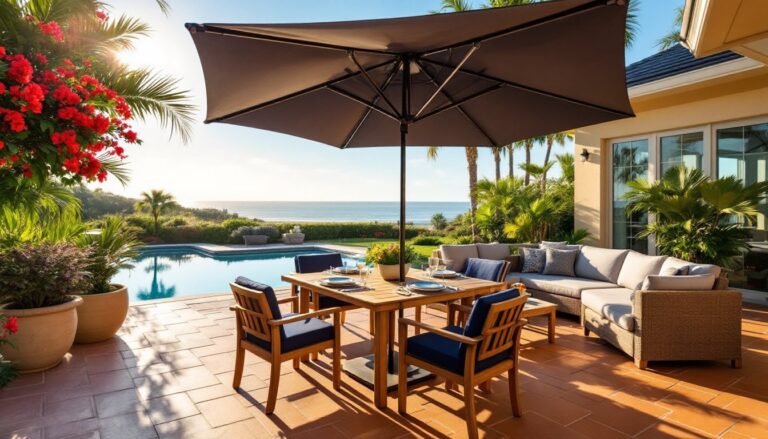
Spring has arrived, and your patio furniture is probably looking worn after a long winter. Whether your outdoor seating is faded, wobbly, or just past its prime, a patio furniture renovation doesn’t have to mean tossing everything and starting fresh. Many homeowners and DIY enthusiasts discover that refreshing existing pieces, or giving them a thoughtful makeover, costs a fraction of replacement while delivering real character. This guide walks you through assessing what you’ve got, setting realistic renovation goals, choosing materials that withstand your climate, and tackling restoration projects yourself. By season’s end, you’ll have a revitalized outdoor space that’s both functional and inviting.
Table of Contents
ToggleKey Takeaways
- Spring is the ideal season for patio furniture reno, offering mild temperatures, lower material costs before peak season, and time to complete projects before summer entertaining.
- Assess each piece critically for structural soundness—solid wood frames and simple fixes like tightening bolts may be worth renovating, while heavily compromised pieces often warrant replacement instead.
- Budget-friendly updates like reupholstering cushions, applying exterior-grade paint or stain, and swapping hardware deliver high visual impact at a fraction of the cost of buying new furniture.
- Choose materials and finishes suited to your climate: humidity-prone regions need rot-resistant wood and rust-preventive metal treatments, while sunny climates require UV-inhibitor formulations and Solution-Dyed Acrylic fabrics.
- Proper surface preparation—cleaning, sanding, and priming—is essential before painting or staining furniture to ensure durable finishes that last through seasons of outdoor use.
Why Now Is The Perfect Time To Renovate Your Patio Furniture
Spring marks the ideal moment to tackle patio furniture renovation. Temperatures are mild enough for outdoor work, and you have the entire season ahead to enjoy your refreshed space. Winter takes its toll on outdoor furniture, UV fading, moisture damage, rust on metal frames, and cracked wood finishes are all common. Before you invest in new pieces, a renovation project often breathes new life into what you already own at a fraction of the cost.
Renovating now also means you avoid the summer rush when outdoor furniture retailers are slammed and delivery times extend for weeks. DIYers who start in April typically finish by early June, leaving them plenty of time to entertain. Plus, material costs for stain, paint, and hardware are often lower in spring before peak season demand.
Assessing Your Current Patio Setup And Setting Renovation Goals
Evaluating What You Already Have
Walk your patio with a critical eye and a notebook. Look at each piece individually: Is the frame solid, or does it wobble? Are cushions still serviceable, or have they faded and flattened? Check wood for soft spots (a sign of rot), metal for rust and corrosion, and plastic for cracks or warping. A wobbly chair often needs only new fasteners and a tightening, an easy fix. Deep structural rot or bent aluminum frames may warrant replacement instead.
Test drawers, hinges, and any moving parts. Gently shake furniture to identify loose joints. These observations tell you which pieces are worth the renovation effort. Sometimes a $40 project on a solid wood bench costs far less than replacing it, while a heavily compromised plastic lounger might not be worth your time.
Identifying Your Style And Budget
Before you buy materials, decide on your aesthetic. Are you drawn to rustic farmhouse, modern minimalist, coastal casual, or cozy traditional? This choice drives your material and color selections. A rustic vision might call for natural wood tones and wrought iron, while modern style prefers clean lines and neutral grays or blacks.
Set a realistic budget for the entire project. Calculate costs for materials (paint, stain, cushions, hardware, sandpaper, sealant), tools you may need to rent or buy, and replacements for items too far gone. Track costs as you go, scope creep on DIY projects is real. Knowing your limits upfront prevents buyer’s remorse mid-project.
Budget-Friendly Renovation Strategies For Maximum Impact
Strategic choices deliver big visual changes without very costly. Reupholstering cushions or replacing them entirely is one of the highest-impact, lowest-cost moves you can make, new fabrics instantly refresh tired seating. Look for outdoor-grade fabrics rated for UV resistance and water repellency: they cost slightly more upfront but last longer and resist fading.
Repainting or staining furniture is another budget win. A gallon of exterior-grade paint covers roughly 350 square feet and costs $25–50 depending on quality. Quality matters here: cheap paint peels and flakes within a season. The same applies to wood stain, invest in an exterior stain that resists mildew and UV damage. Plan for two coats and proper surface prep (cleaning and sanding) before application.
Hardware swaps, new bolts, screws, hinges, and handles, cost pennies individually but transform a piece’s appearance. Upgrading from basic steel fasteners to stainless steel or powder-coated finishes prevents rust and coordinates with your design vision. Lighting is another lever: solar string lights, lanterns, or uplighting added to your patio costs $30–150 and creates ambiance without running electric lines. These layered improvements compound in visual impact while keeping individual expenses low.
Choosing Materials And Styles That Work For Your Climate
Your climate dictates which materials survive and thrive. In humid or rainy regions, wood furniture benefits from exterior-grade finishes, polyurethane sealers, marine-grade stains, or paint designed to shed water and resist mildew. Teak and cedar naturally resist rot better than softwoods like pine. Metal furniture in humid climates needs rust-preventive primers and finishes: consider powder-coated aluminum or stainless steel bolts to prevent rust-through.
In dry, sunny climates, UV fading is your primary enemy. Quality exterior paint and stain formulations include UV inhibitors to resist color loss. Cushion fabrics rated for Solution-Dyed Acrylic (a fiber that holds color better than cotton) maintain their hue longer. Avoid light colors in intense sun climates unless you’re willing to refresh more frequently.
Cold climates introduce freeze-thaw cycles that crack wood and degrade finishes. If you leave furniture outside year-round, ensure all finishes are rated for temperature swings. Storing cushions and removable elements indoors extends their lifespan dramatically. DIYers in transitional climates benefit from modular designs, cushions, slings, and slats that come on and off seasonally. Research local exterior product performance through building supply stores or Ana White’s furniture plans and guidance, which address regional durability in project notes.
DIY Restoration Techniques For Existing Pieces
Cleaning and Surface Prep: Begin every restoration with thorough cleaning. Use a stiff brush, mild detergent, and water to remove dirt, mildew, and oxidation. For stubborn mildew on wood, a 1:3 bleach-to-water solution works, but rinse thoroughly afterward. Metal furniture may need a wire brush to remove rust spots or loose paint. Let everything dry completely, 24 hours in dry conditions, before moving to the next step.
Sanding and Staining Wood: Sand wood surfaces with 80–120 grit sandpaper to smooth rough spots and prepare for new finish. Always sand with the grain, and wear a dust mask. After sanding, wipe surfaces with a tack cloth to remove dust. Apply exterior stain in thin, even coats using a brush or foam applicator, following the wood grain. Most exterior stains require 24–48 hours to cure before a second coat. Skip stain if you’re painting: paint adheres better to bare wood than to stain.
Painting Metal and Wood: Use exterior-grade paint designed for furniture. Prime raw wood or bare metal with an appropriate primer first, this step is non-negotiable for longevity. Apply paint in thin coats (heavy coats drip and sag). Two coats typically provide durable coverage. Allow full cure time, usually 7 days, before heavy use. Spray painting works for detailed frames, while brush or roller application suits flat surfaces better.
Tightening Fasteners and Joints: Wobbly furniture often needs nothing more than a wrench or socket set to tighten bolts and fasteners. Work methodically around each joint, tightening evenly rather than over-tightening one side. If bolt holes have become enlarged, use the next size bolt up or add a washer to distribute load. For loose wood joints, wood filler or epoxy can stabilize gaps, but severely compromised joints may need professional repair or replacement.
Cushion Replacement: Measure existing cushions carefully, length, width, and thickness. Order replacement foam and outdoor fabric, or buy pre-made outdoor cushions. If reupholstering, use a staple gun and contact cement to attach new fabric to foam and backing board. Refer to quick exterior renovation ideas for inspiration on easy textile updates that transform seating areas. Outdoor fabrics resist water and UV better than indoor alternatives and justify the extra cost.